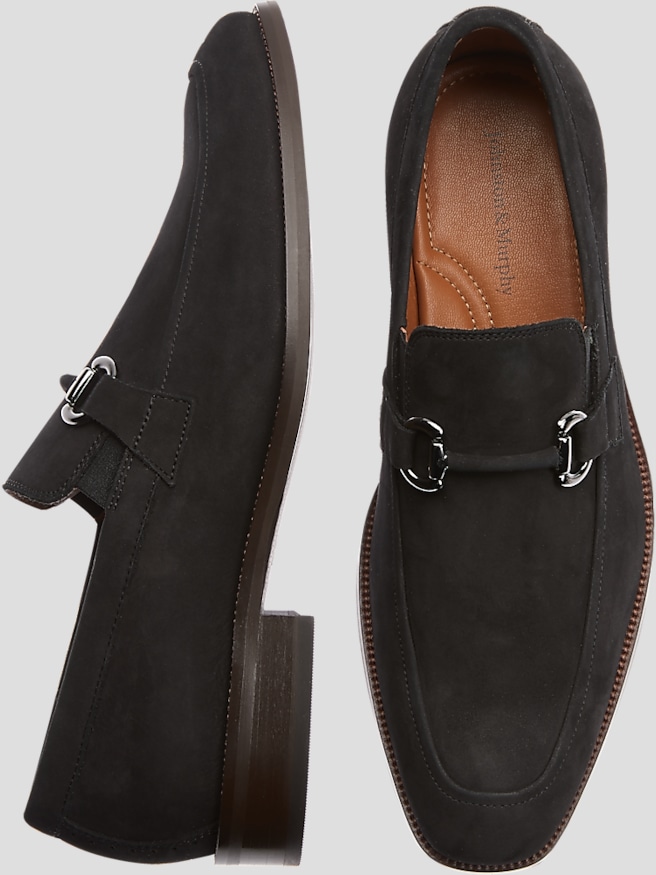
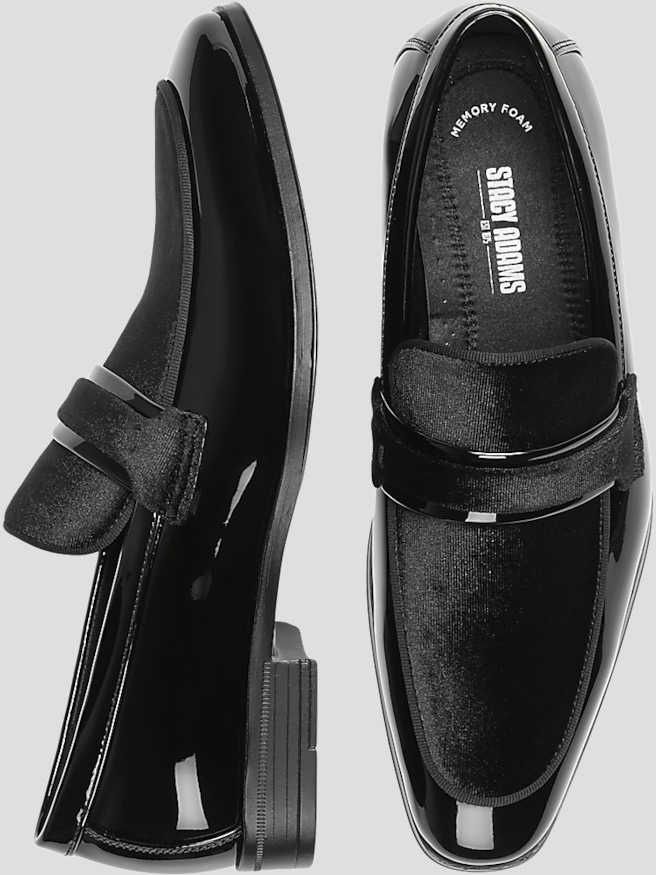
Apron Toe Loafers


Materials and construction influence how apron toe loafers feel from the first wear and how they develop with use. Smooth leather offers a defined surface that can be cleaned, conditioned, and polished with products suited to its finish. Some leathers gradually develop creases and variations in tone that become part of the shoe’s character; a uniform finish may retain a more consistent appearance. Suede has a soft nap that catches the light and gives the apron stitching a gentler contrast, making it particularly effective with textured trousers and casual tailoring. Synthetic uppers vary in flexibility and breathability, so the material description is more useful than appearance alone when considering comfort. Inside, the lining, seams, footbed, and arch shape all affect how a loafer feels during a full day. A cushioned footbed can soften contact underfoot, but cushioning does not compensate for a shoe that is too narrow or does not hold the heel securely. Because loafers have no laces to adjust, a close, comfortable fit through the instep is especially important. The forefoot should feel supported without pressure across the toes, and the toes should have room to lie naturally rather than curl or overlap. Excessive heel lift, persistent rubbing, or a need to grip with the toes can signal a poor fit. Leather may ease slightly with wear, but an uncomfortable shoe should not depend on stretching to gain necessary length. Trying loafers with the socks intended for everyday use gives a more realistic sense of fit; a thin dress sock and a thicker casual sock can make the same size feel noticeably different. Sole materials also shape the experience. Leather outsoles often create a sleek profile, while rubber outsoles can provide flexibility and traction, depending on their tread and composition. Someone moving between a desk, meeting rooms, and a short walk to lunch may prioritize a streamlined shape, while longer periods on foot make support and underfoot comfort more important.
Regular care helps preserve both the appearance and structure of apron toe loafers, particularly around the stitched edge where dust can settle. A soft brush or cloth can lift surface debris before it works into the seam, keeping the apron outline clear without aggressive scrubbing. Smooth leather benefits from care products appropriate to its finish, applied sparingly and tested first in an inconspicuous spot. Too much cream or polish can collect around raised stitching, so small amounts and careful buffing usually produce a cleaner result. Suede needs its own approach: a suitable suede brush helps refresh the nap, while smooth-leather polish can flatten or discolor the surface. Material-specific instructions should take priority over a one-product approach to every pair. After wear, allowing the interior to dry naturally away from direct heat helps protect the materials, and properly sized shoe trees can support the shape and reduce deep creasing. Rotating footwear gives each pair time to air out between uses. Durability depends on more than the upper, with outsole thickness, heel wear, stitching, and sole attachment all contributing to long-term performance. Some construction methods allow resoling, but that possibility should be confirmed rather than assumed from the apron toe design. For everyday dressing, these loafers suit men who appreciate an easy slip-on routine without giving up the finished look of a structured shoe. They can move from office hours to dinner, or complement a blazer at a graduation celebration, provided the event’s dress expectations allow a dress-casual approach. As a gift, they make the most sense when the recipient’s size, width, and preferred silhouette are already known. Noticing whether someone favors soft suede, polished leather, subtle stitching, or a substantial sole is more useful than choosing by color alone. The most wearable choice is one that fits comfortably, works with clothing already in regular rotation, and matches the way its wearer actually spends the day.
FAQs
Apron toe loafers are defined by a unique piece of leather stitched around the toe area, creating an 'apron' effect with visible seams that run along the sides and front. This detail sets them apart from other loafers, such as penny or tassel loafers, which do not feature this signature stitching or toe design.
Yes, apron toe loafers are highly versatile and can be worn for a range of occasions. Their refined stitching and classic silhouette make them appropriate for business settings and formal events, while their slip-on ease and comfortable construction also pair well with smart-casual or weekend attire.
To keep apron toe loafers looking their best, regularly clean them with a soft brush or cloth to remove dust and dirt. For leather styles, apply a quality conditioner and polish to maintain shine and prevent cracking. Suede versions benefit from a protective spray and gentle brushing to restore the nap.
Apron toe loafers make an excellent gift for anyone who values classic style and comfort. They are particularly well-suited for professionals, recent graduates, or anyone looking to upgrade their footwear collection with a versatile, timeless option.
Apron toe loafers are ideal for spring thanks to their lightweight construction and easy slip-on design. They pair effortlessly with lighter fabrics, such as chinos and linen trousers, and add a polished touch to both business and casual spring ensembles.