

Buying a suit comes down to fit, fabric, and function. Learn how to budget, spot quality, and choose the right style in our complete buying guide.
Men’s Suits & More

The Fundamentals to Men’s Suit Sizing and Fit

You’re standing in front of the mirror, and something just feels off. The suit jacket sleeves are hiding your hands. The pants are pooling around your shoes. Or maybe the …

The Complete Guide to Buying a Men’s Suit

Suit buying – fit, fabric, function, and budget Buying a suit comes down to four essentials: fit, fabric, function, and budget. Get these right, and you’re set for interviews, weddings, …
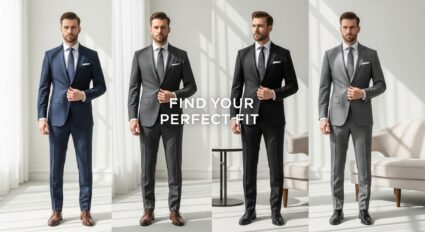
Mens Suits Fit Quick Guide

Finding the right suit is about more than looking good. It is about feeling confident wherever you go. From weddings to interviews to everyday wear, the right fit makes a …

Custom Tailored Suits for Men at The Men’s Wearhouse
Looking for the perfect suit that fits like it was made just for you? At Men’s Wearhouse, we specialize in custom tailored suits for men that combine expert craftsmanship, quality …

Fall Wedding Suit Colors to Replace Your Usual Black Suit
So, you received a wedding invitation, and now you’re eyeing the trusty black suit in the back of your closet. It’s a classic choice, but fall is the perfect time …

The Most Overlooked Suit Alteration (And Why It Makes All the Difference)
Let’s face it — when you think about suit tailoring, it’s always the same checklist: trim the sleeves, take in the waist, maybe hem the pants if you’re swimming in …

Single vs. Double-Breasted Suits: Style, Fit, and Occasion Tips
Choosing between a single-breasted and double-breasted suit isn’t just a matter of personal preference. It’s about understanding how each style works with your body, lifestyle, and the occasions when you …

Prom Trends 2025: Shiny Suits, Bold Colors, and More
As Prom 2025 approaches, the excitement is palpable, and the anticipation of what everyone will be wearing is at its peak. From the modern flair of shiny suits and bold …

American-Made Suits: Dress for Success with Unmatched Quality
There’s a distinct difference when you wear a suit crafted in America. It’s more than just fabric and thread; it’s a statement of quality, style, and national pride. When you …