
Buying a full suit works when the jacket and trousers fit you equally well. But not everyone fits the proportions of an off-the-rack garment. The jacket might fit cleanly through the shoulders, while the trousers feel too loose or too tight.
And even when the fit works, buying every outfit as a matching set can limit how much use you get out of your wardrobe. Suit separates open up multiple possibilities, but they also require a little more judgment. In this guide, we’ll explore what suit separates are, how they differ from traditional formal wear, and how to don different pieces to your favorite events without looking mismatched.
What Are Suit Separates?
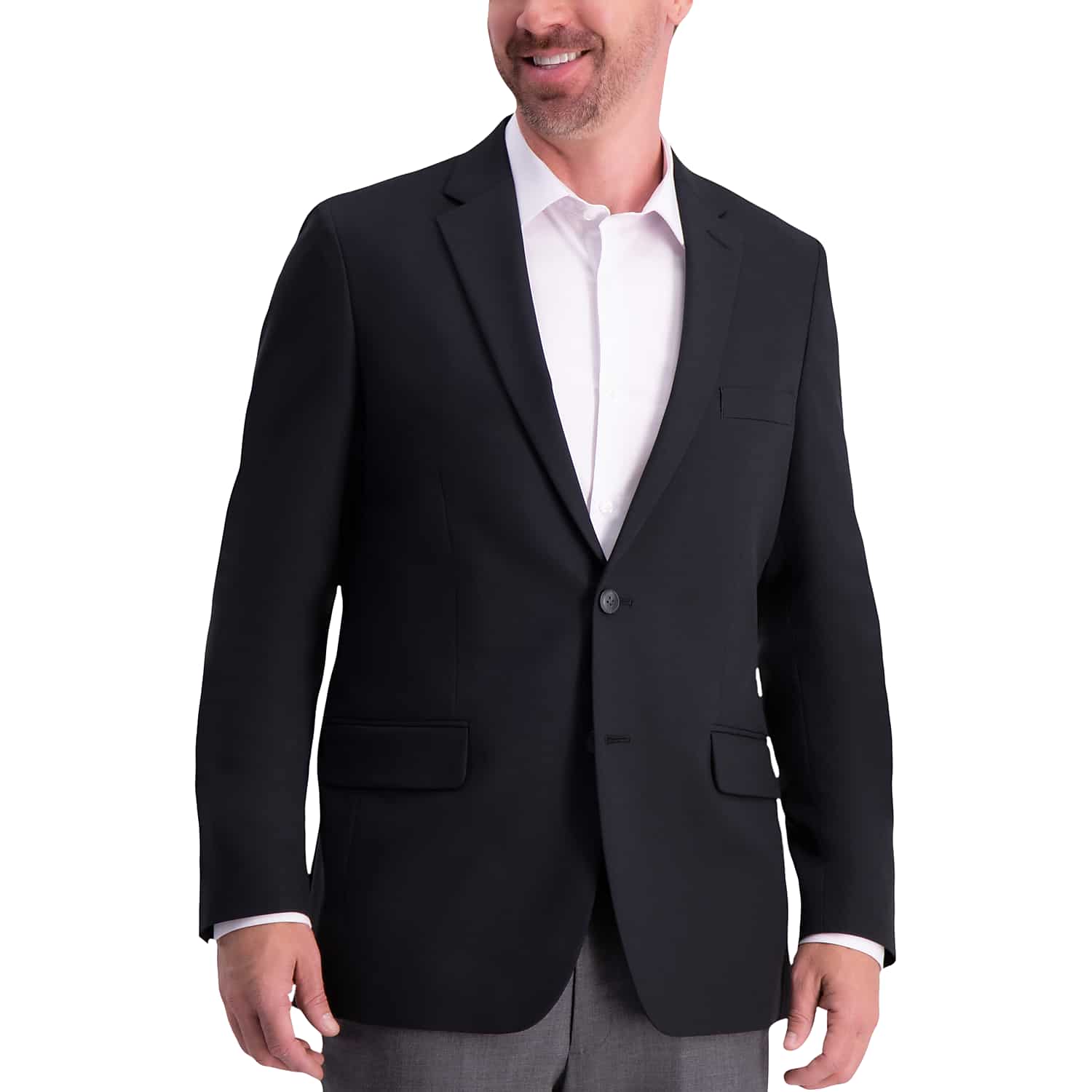
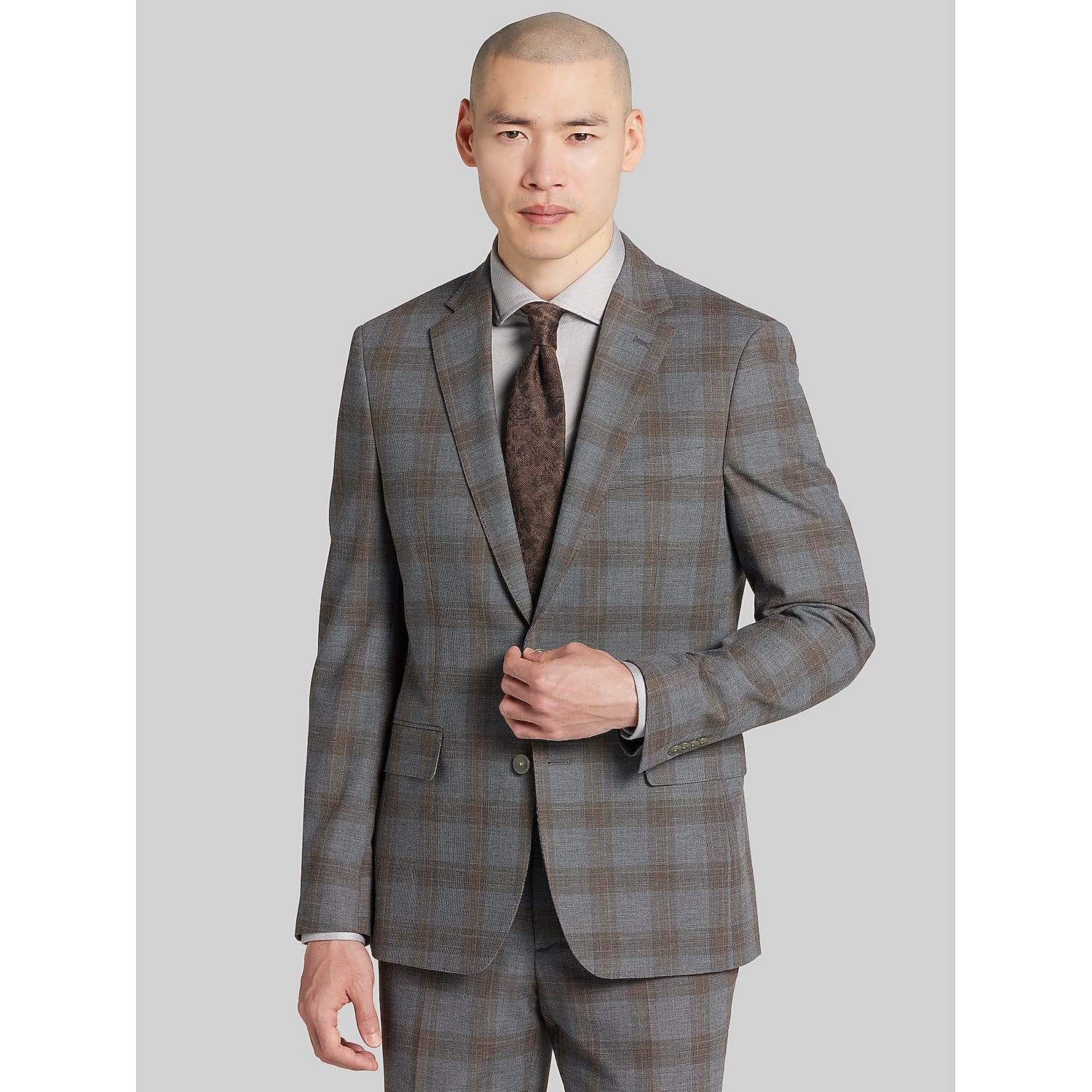
Men’s suit separates are tailored jackets and pants sold as individual pieces rather than a matching set. You choose each item individually, which gives you greater control over how they fit and come together. You can also pair each separate with other items you already own.
Suit Separates vs. Traditional Suits: What’s the Difference?
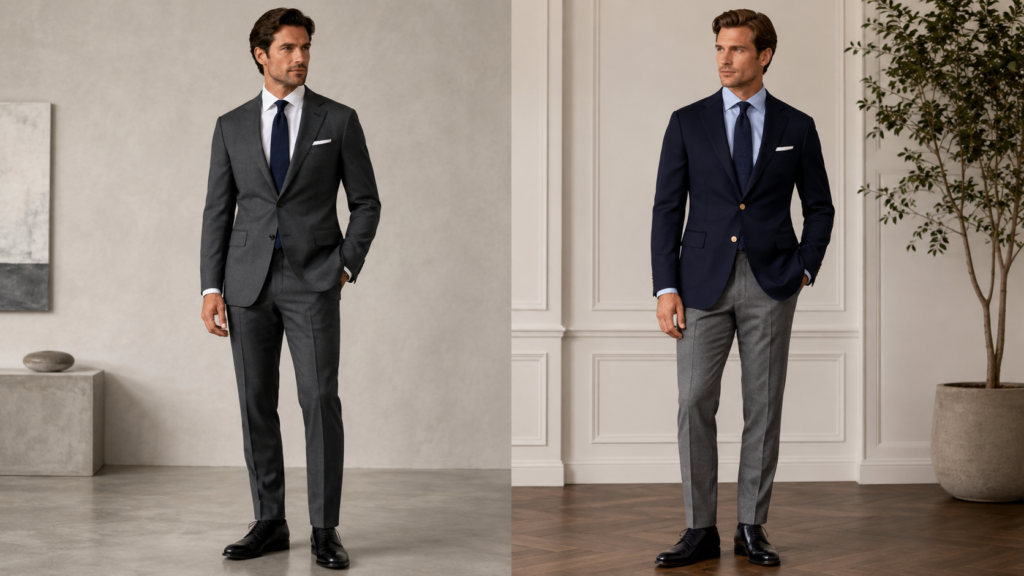
The main difference between suit separates and traditional suits is how the jacket and pants are sold. A traditional suit comes as a coordinated set with a predetermined size relationship between the two pieces, while suit separates let you choose each piece independently.
| Traditional suit | Suit separates | |
| How it’s sold | Suit jacket and pants are sold together. | Jacket and pants are sold individually. |
| Sizing | Pant size is tied to the jacket size. | You can choose each piece in a different size and fit. |
| Relationship between jacket and pants | Fabric and color are designed to match exactly. | You can match or coordinate pieces separately. |
| Best for | Men whose proportions fit the preset sizing. | Men who need more flexibility between jacket and pant sizes and want to mix and match new pieces with existing ones in their wardrobe. |
How Traditional Suits Are Sold
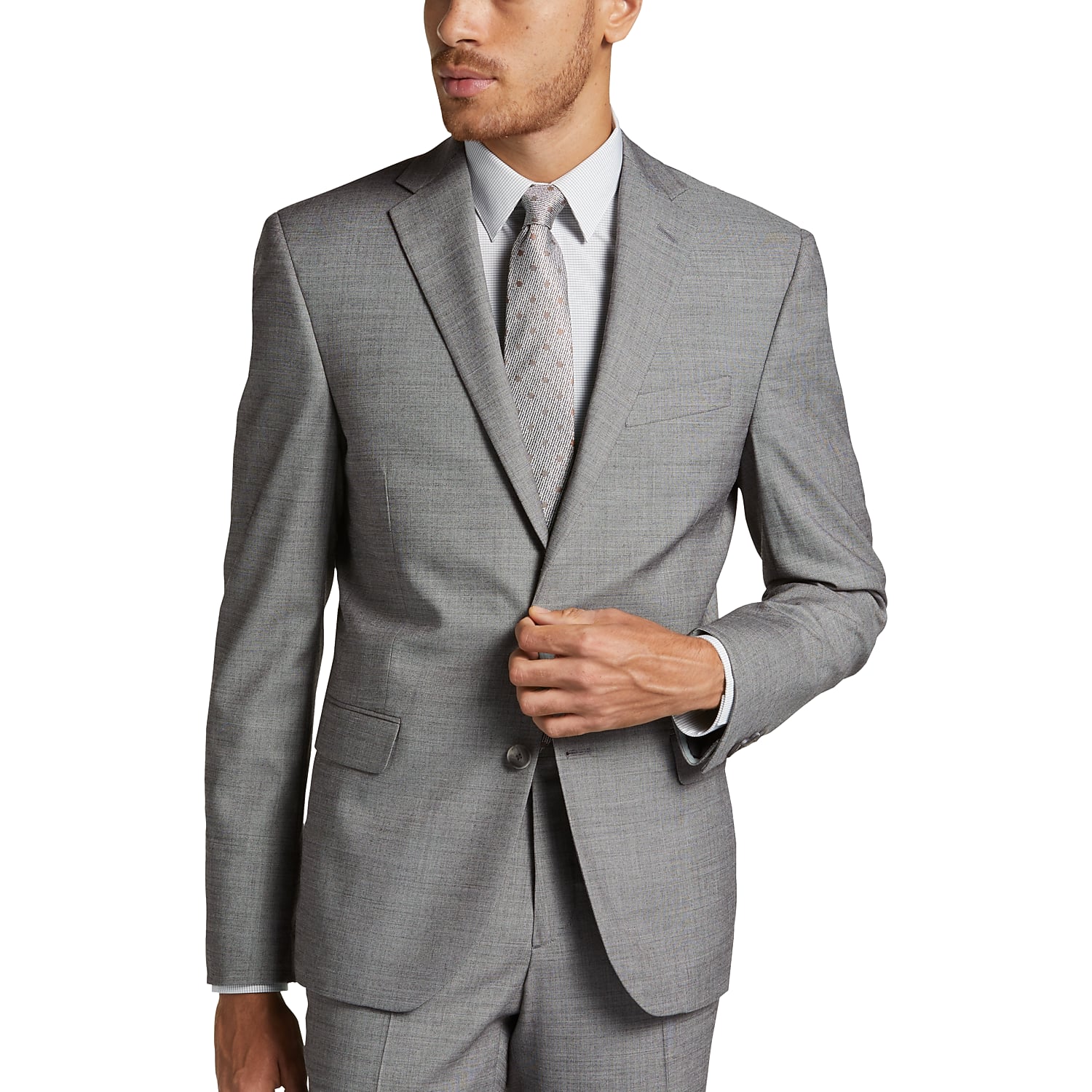
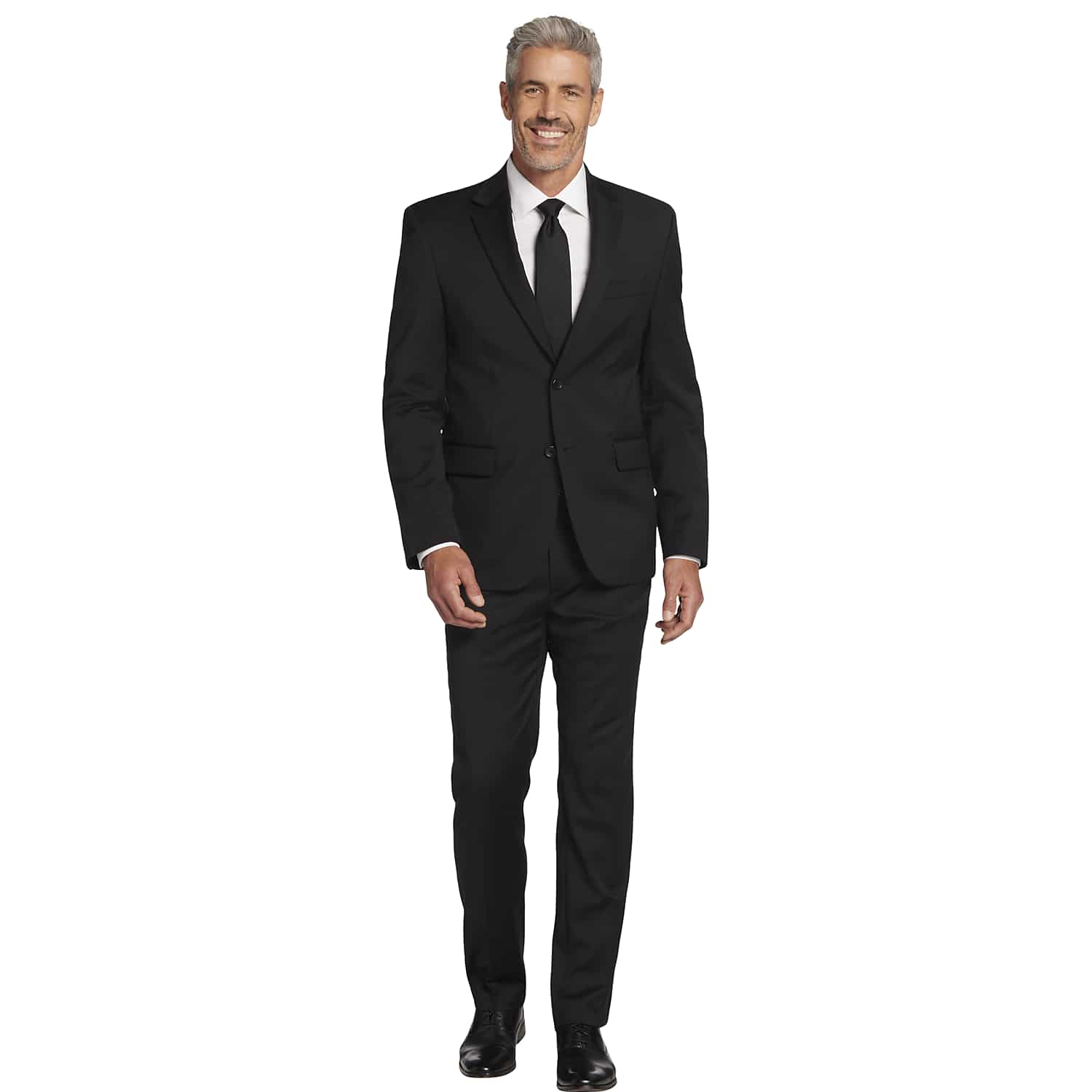
Traditional suits include a matching jacket and a pair of pants made from the same fabric. They’re sold as one set, so the trouser size corresponds to the jacket size. This makes the buying process straightforward, but it may require more tailoring adjustments if your upper and lower body measurements don’t exactly match the preset proportions.
How Suit Separates Are Sold
Suit separates let you select the jacket and pants separately. For example, you can pair a larger suit jacket with a smaller waist size rather than compromising on the fit of one piece to accommodate the other.
Individual sizing gives you more room to customize the outfit around your specific proportions. It’s also easier to replace or add a single piece, because you don’t have to buy an entirely new set.
Which Option Is Better?
Neither option is better. The right choice depends on how closely a suit matches your body off the rack and how much flexibility you want when building an outfit. A traditional suit gives you a complete outfit, while suit separates give you more control over individual sizing and styling. The better option is the one that fits properly, suits the occasion, and makes sense for how you plan to wear the pieces.
How To Wear Suit Separates Without Looking Mismatched
Suit separates can look every bit as intentional as a matching suit. There should be a clear contrast between the jacket and suit pants, with the shirt, shoes, and accessories tying the rest of the outfit together.
Start With a Reliable Combination
Here are two examples:
| Jacket and pants combo | Complete the outfit | Why it works |
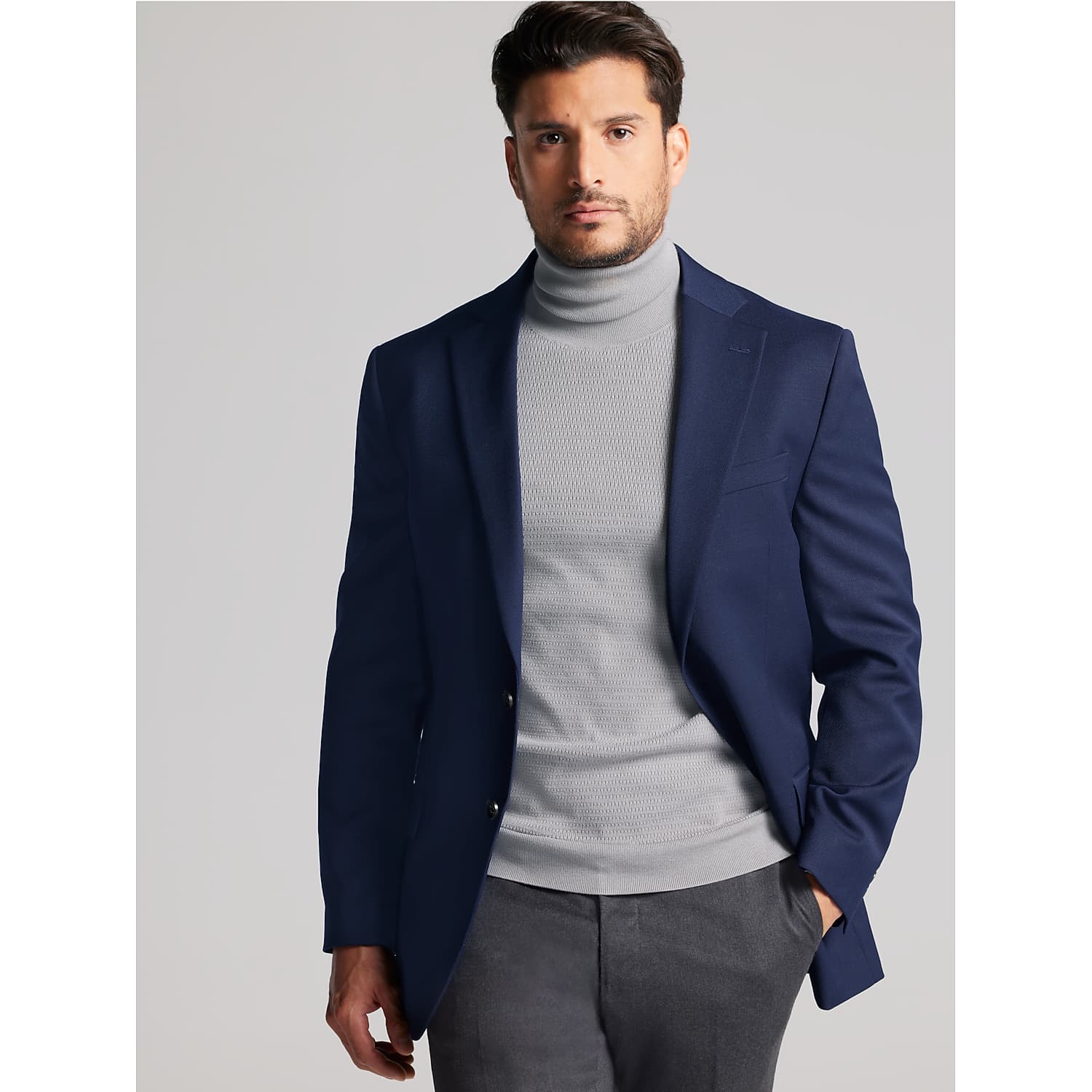
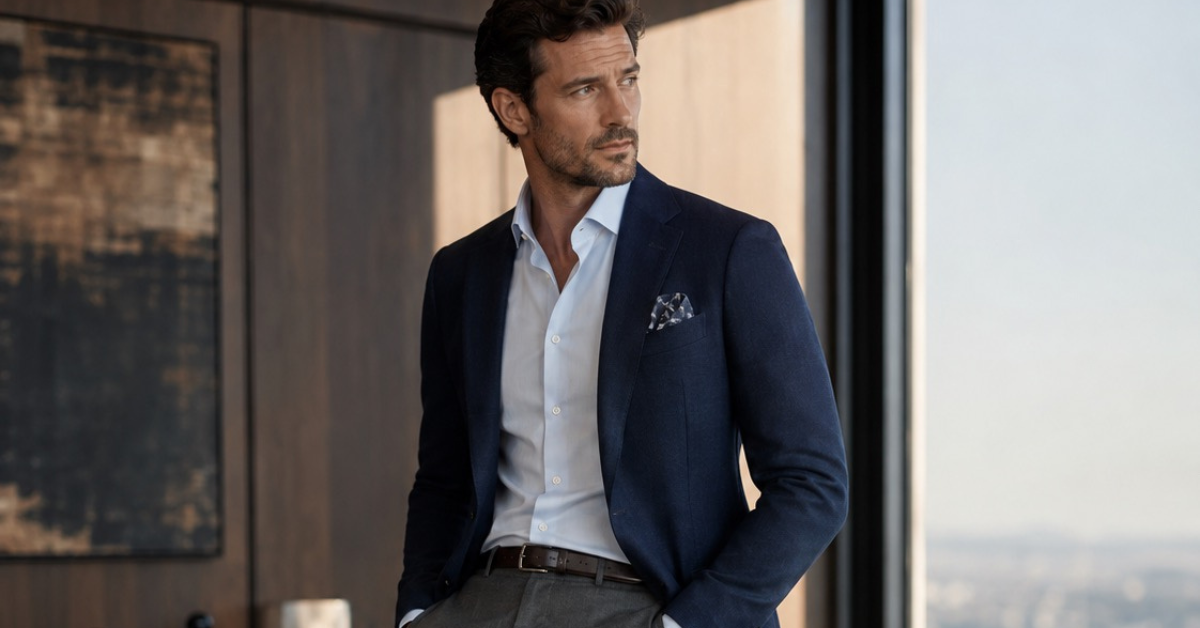
| Navy jacket and gray trousers | Add a white or light blue dress shirt, brown leather shoes, and a coordinating belt. A tie with a subtle pattern can make the outfit more formal, while an open collar keeps the look relaxed. | Navy and gray create clear contrast without competing for attention. This pairing works naturally for the office, networking events, or weddings. |
| Brown jacket and navy trousers | Choose a white or pale blue shirt with dark brown dress shoes. A textured tie or pocket square can add a bit of visual interest without introducing another dominant color to the outfit. | The navy trousers balance the warmth of the brown jacket, while the shirt brightens the overall look. Brown shoes echo the jacket, tying the outfit together. |
Avoid pairing two close-but-not-idential shades. For example, a navy jacket with slightly different navy pants can resemble a mismatched suit or look like it’s faded unevenly, whereas a navy jacket and gray trousers is a clear styling choice.
How To Keep the Pieces Working Together
Here are a few more tips that you can apply to any color combination to put together an outfit using separate pieces.
- Balance the contrast: The jacket and pants should be different enough to read as separate pieces, but neither one should overpower the outfit. If one piece is bold, textured, or patterned, keep the other piece simple.
- Coordinate the textures: Fabric affects how formal an outfit feels and how cohesive the pieces look together. For example, a softly textured sport coat generally works well with matte wool trousers. But a smooth, structured jacket with pronounced shoulders looks disconnected from casual cotton pants. Similar fabric weights, such as cotton and linen, look better together.
- Choose complementary colors: The shirt and shoes can make the jacket and pants feel like parts of a unified palette rather than separate blocks of color. A light blue shirt works with a navy jacket because they’re from the same color family.
- Match the formality levels: The jacket and pants should feel appropriate for the same kind of occasion. A structured sport coat pairs naturally with tailored trousers because they’re both business casual. A sleek suit jacket with casual chinos or pants, however, can look unbalanced because one piece is far dressier than the other.
When To Wear Suit Separates
Suit separates work best when the occasion calls for tailored clothing but leaves room for some individuality. Here are a few events where a traditional suit or tuxedo isn’t necessary.
Business Casual Offices
If your workplace dress code is business casual, try suit separates. You’ll look professional but not overdressed.
- Formality: Business casual.
- Try: A medium gray blazer with navy trousers, a light blue shirt, and brown loafers.
- Styling tip: Choose tailored trousers and a simple jacket so the outfit is appropriate for regular work days.
Networking Events
Networking events bring together people from companies with different dress codes, so it’s better to risk being overdressed than underdressed. Suit separates show that you made an effort without looking stiff.
- Formality: Business casual or semi-formal.
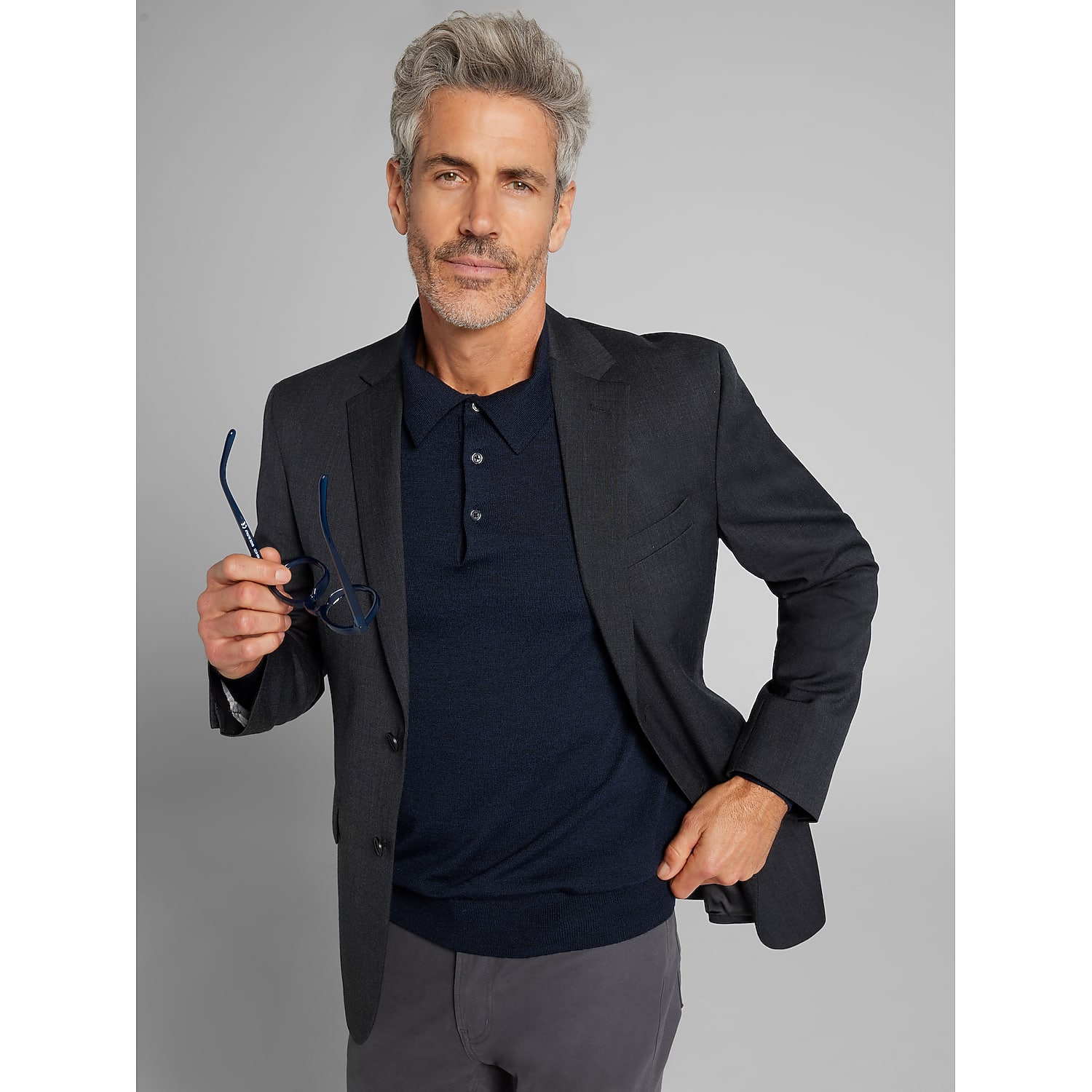
- Try: A textured sport coat with dark dress pants and leather shoes. Add a tie for a corporate event, or leave the collar open if it’s a casual mixer.
- Styling tip: Let either the jacket or shirt add interest through subtle texture or a light pattern. Don’t make several pieces fight for attention.
Weddings and Social Events
Suit separates are great for summer weddings, outdoor parties, or semi-formal events like prom, when the dress code allows some flexibility. Choose a traditional suit for conservative events or occasions where a formal dress code is requested.
- Formality: Cocktail or semi-formal.
- Try: A tan jacket with navy trousers, a white shirt, and dark brown shoes.
- Styling tip: Use the invitation, venue, and time of day to judge how much contrast is appropriate.
Get the Right Fit, Piece by Piece, With Men’s Wearhouse
At Men’s Wearhouse, you can choose a jacket and pants independently, before getting the perfect fit with tailoring support. Whether you’re dressing for work, a wedding, or simply building a more versatile wardrobe, our in-store guidance can help you create combinations that suit your style.
Explore the Men’s Wearhouse suit separates collection online or find the nearest store for your next fit.
Shop Related Products