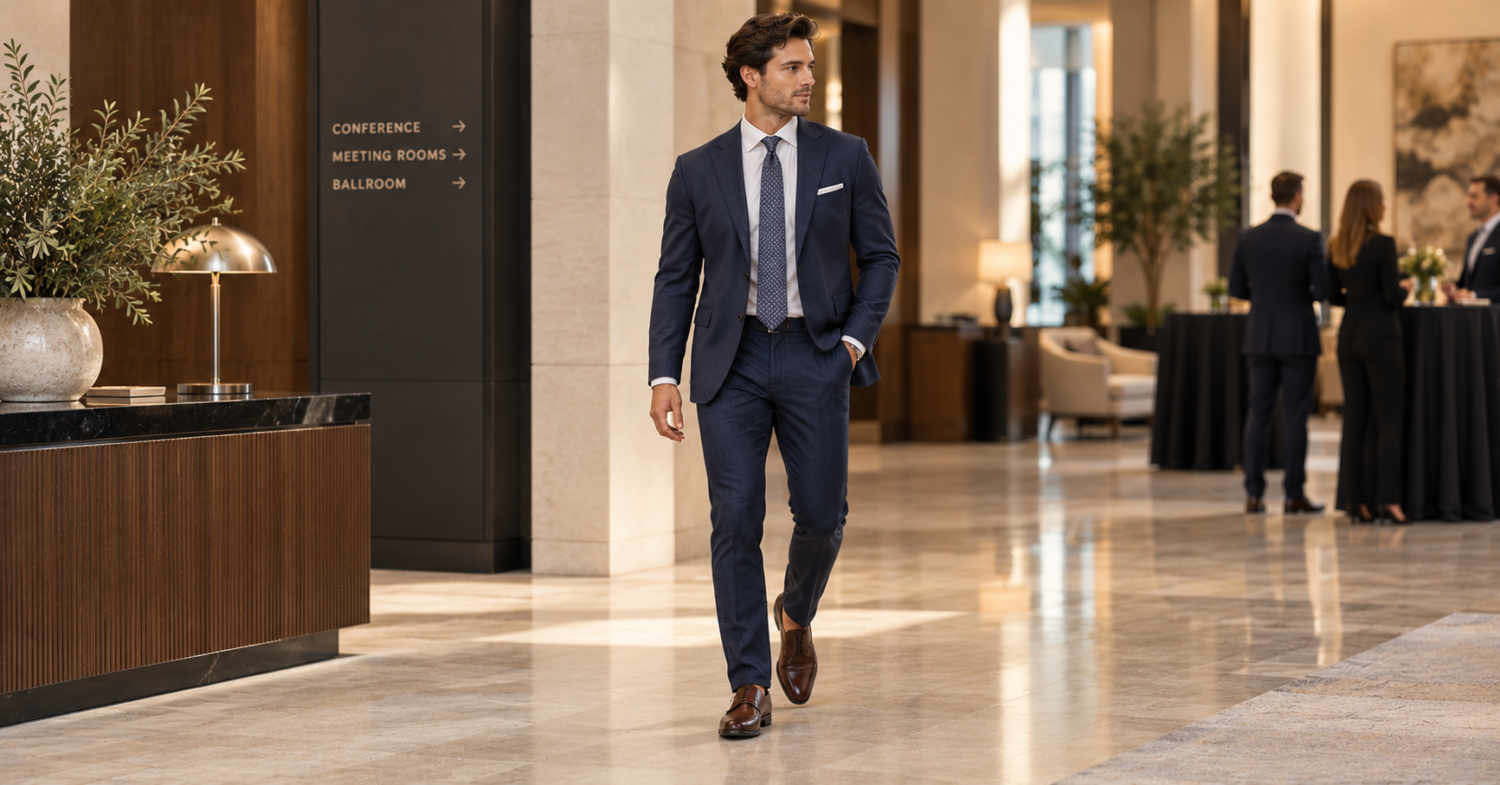

It’s not always easy to pack for a conference. Some events require suits and polished shoes. Others feel closer to everyday office wear with simple button-down shirts.
Men’s conference attire varies by industry and activities during the event. A single agenda can move from casual workshops to client meetings and evening receptions.
Read on to learn how to pick an outfit that fits each part of the agenda. We’ll show you how to build outfits that stay appropriate from the first session to the end of the event.
How To Decide What To Wear to a Conference
When choosing your outfit, think about the specific conference you’re attending rather than relying on broad assumptions about the dress code. The following factors will help you find the right look:
- Check the official dress code: If the organizers provide a dress code, start there. It’s the clearest guide of what they expect.
- Consider the industry: Some industries like finance may be more formal. But technology or creative events can be more relaxed.
- Think about the venue: An upscale hotel or formal convention center may point toward more formal attire. But an outdoor gathering, workshop, or creative event suggests a more casual look.
- Review the event website and photos: Look for images from previous conferences to see how attendees typically dress.
- Read the full agenda: Think about your plans beyond the main sessions. Go with a formal look if you’re presenting, meeting with clients, or participating in formal networking events.
- Account for evening events: At some conferences, you might have receptions, dinners, and after-hours networking. Choose clothing that can comfortably carry you from daytime sessions into the evening, especially if you need to shed a layer in the summer or add one during colder seasons.
If the expectations still aren’t clear, wear an outfit that gives you some room to adjust your level of formality throughout the day. For instance, wear a blazer with a dress shirt, tailored trousers, and polished shoes. Keep the blazer on if the setting feels more formal, or take it off if the atmosphere is more relaxed.
As a general rule, it’s usually easier to tone down an outfit that leans slightly formal than to recover from being noticeably underdressed.
Conference Dress Codes Explained
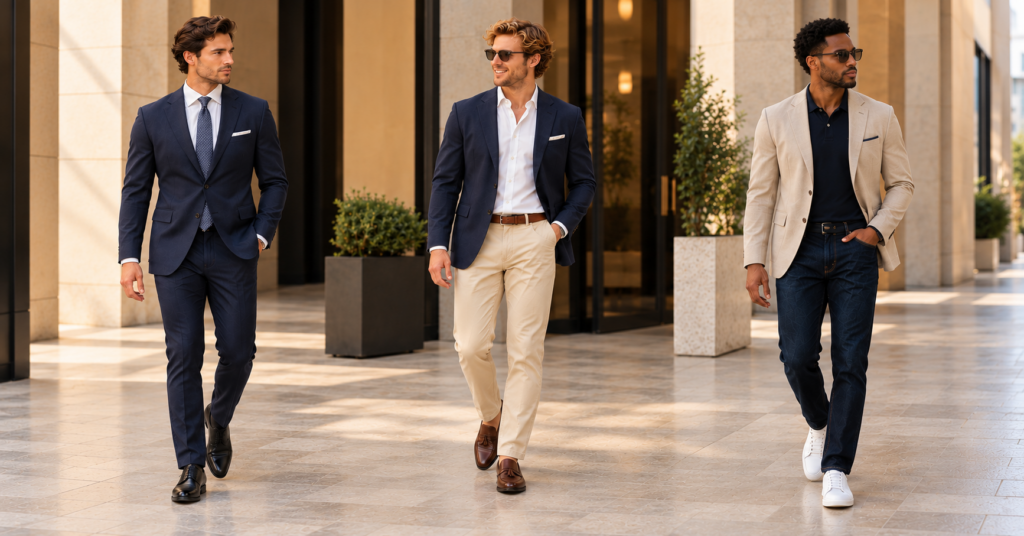
Here’s what common conference dress codes look like and when a specific level of formality makes sense.
Business Formal Attire
Business formal is best for corporate gatherings, which include executive conferences, finance events, and high-level presentations. These settings emphasize traditional dress codes, especially when senior leaders and clients are involved.
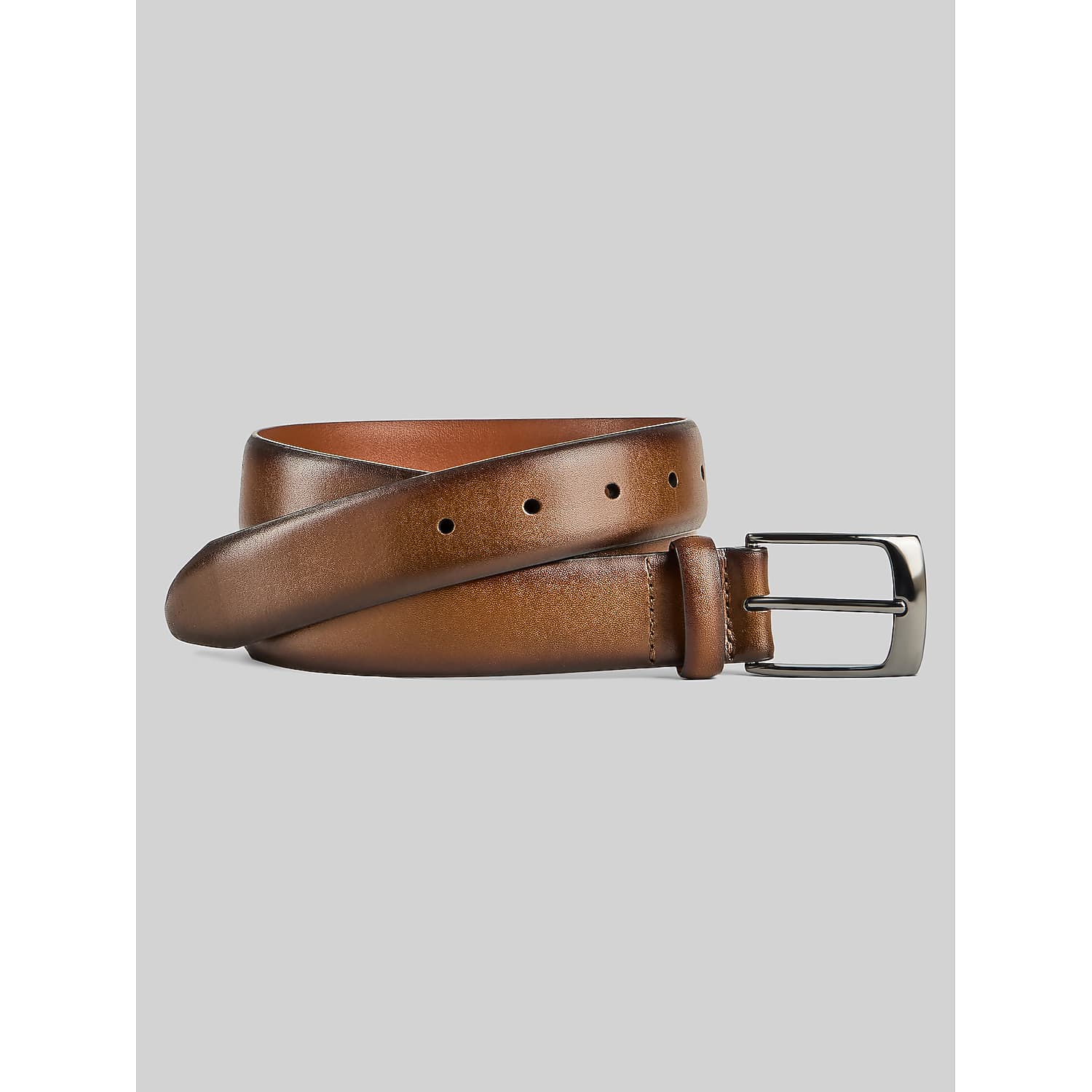
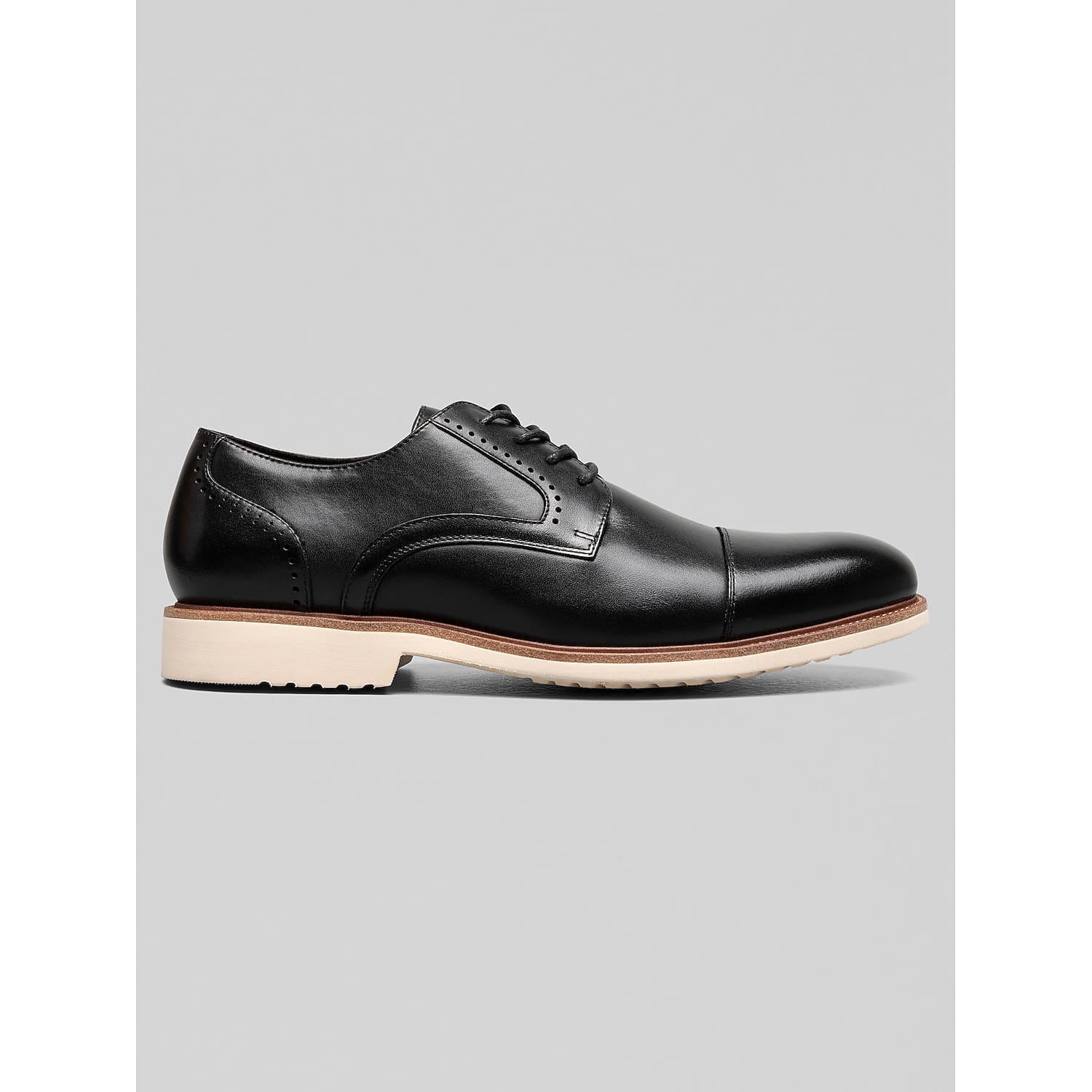
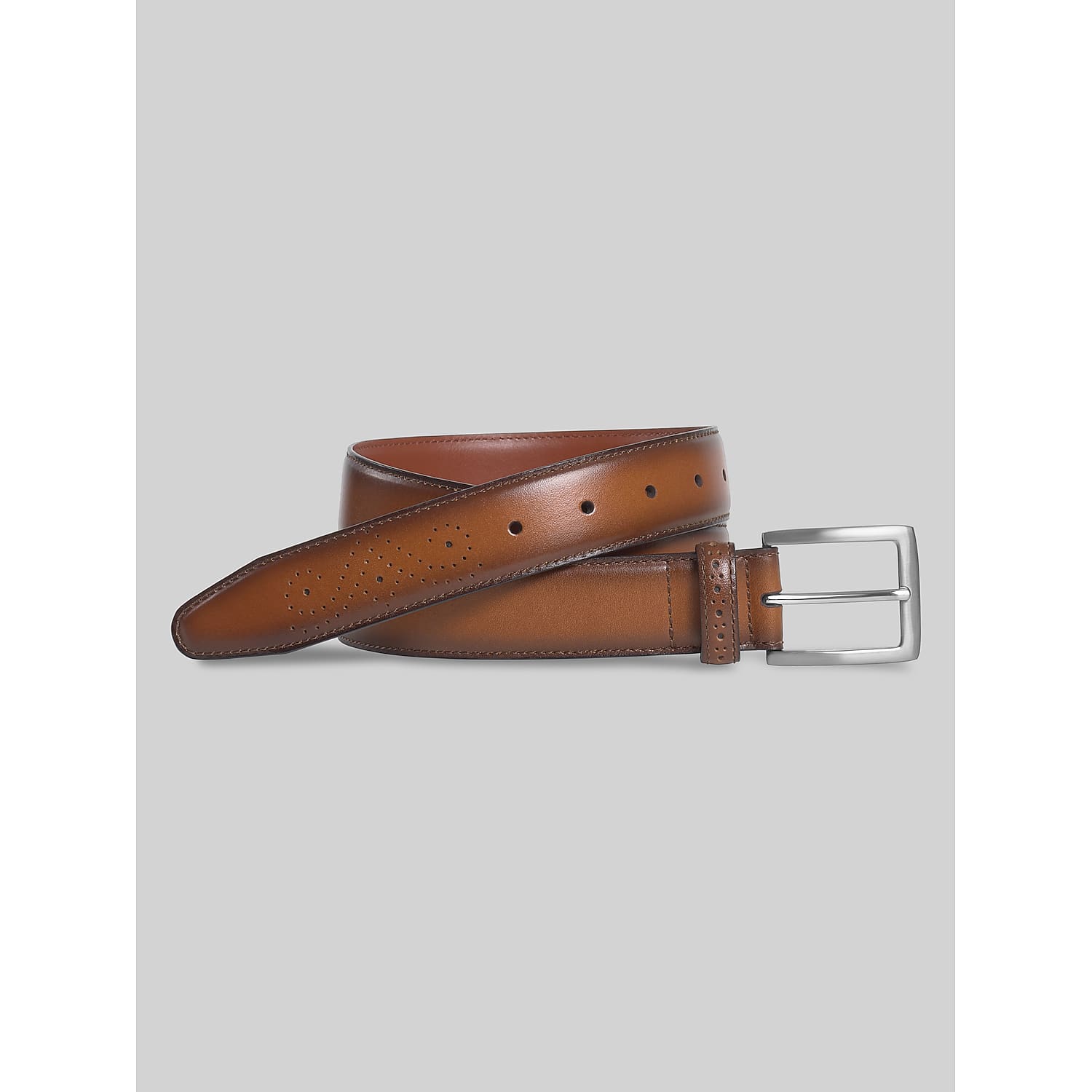
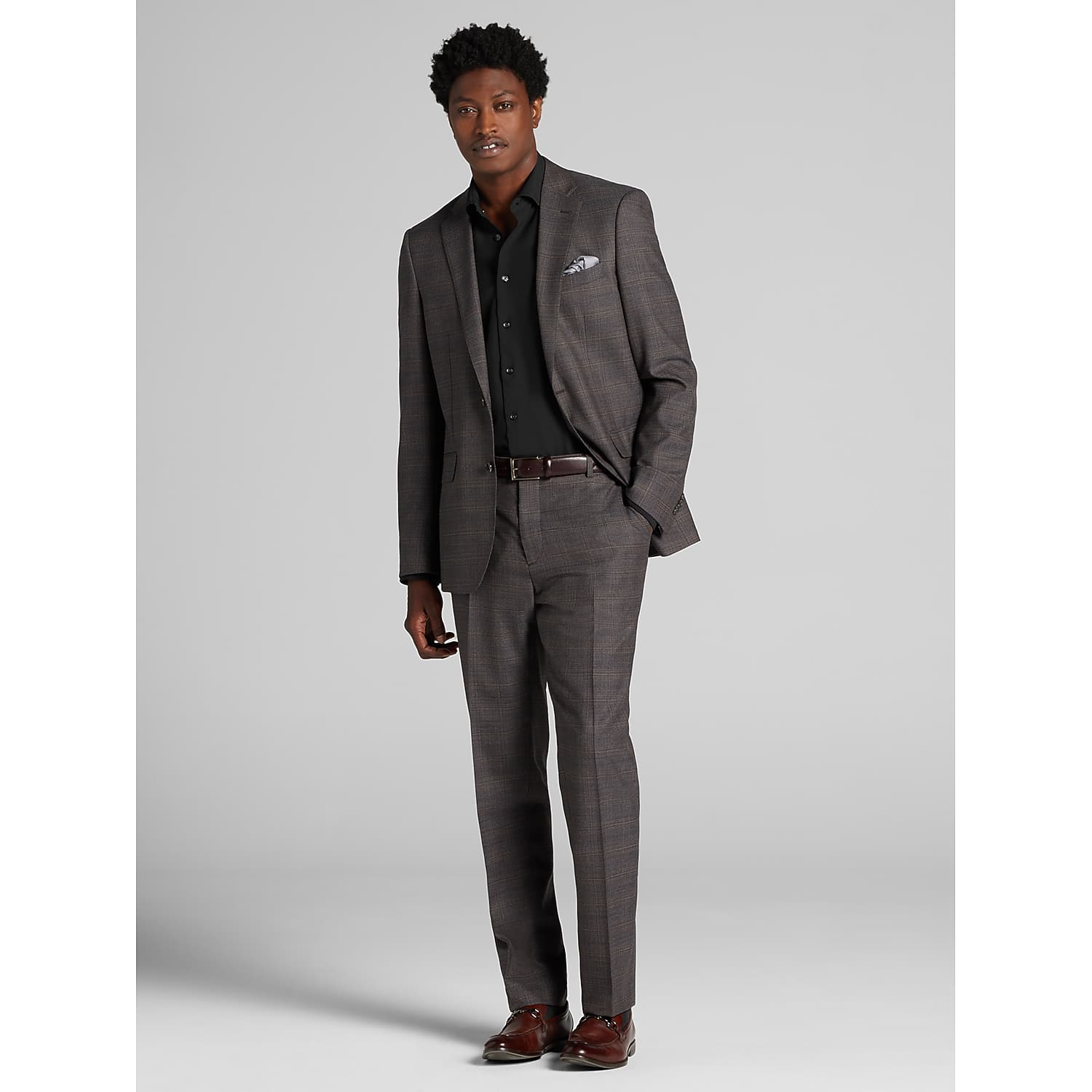
What to wear: Pick a navy, charcoal, or dark gray suit with a white or light blue dress shirt. Add leather dress shoes and a belt in a matching color, and keep the tie simple.
Business Professional Attire
Business professional is for conferences when you want to look work ready without going all the way with a full business-formal outfit. The optional tie and ability to wear separates also make it easier to adjust to different events throughout the day.
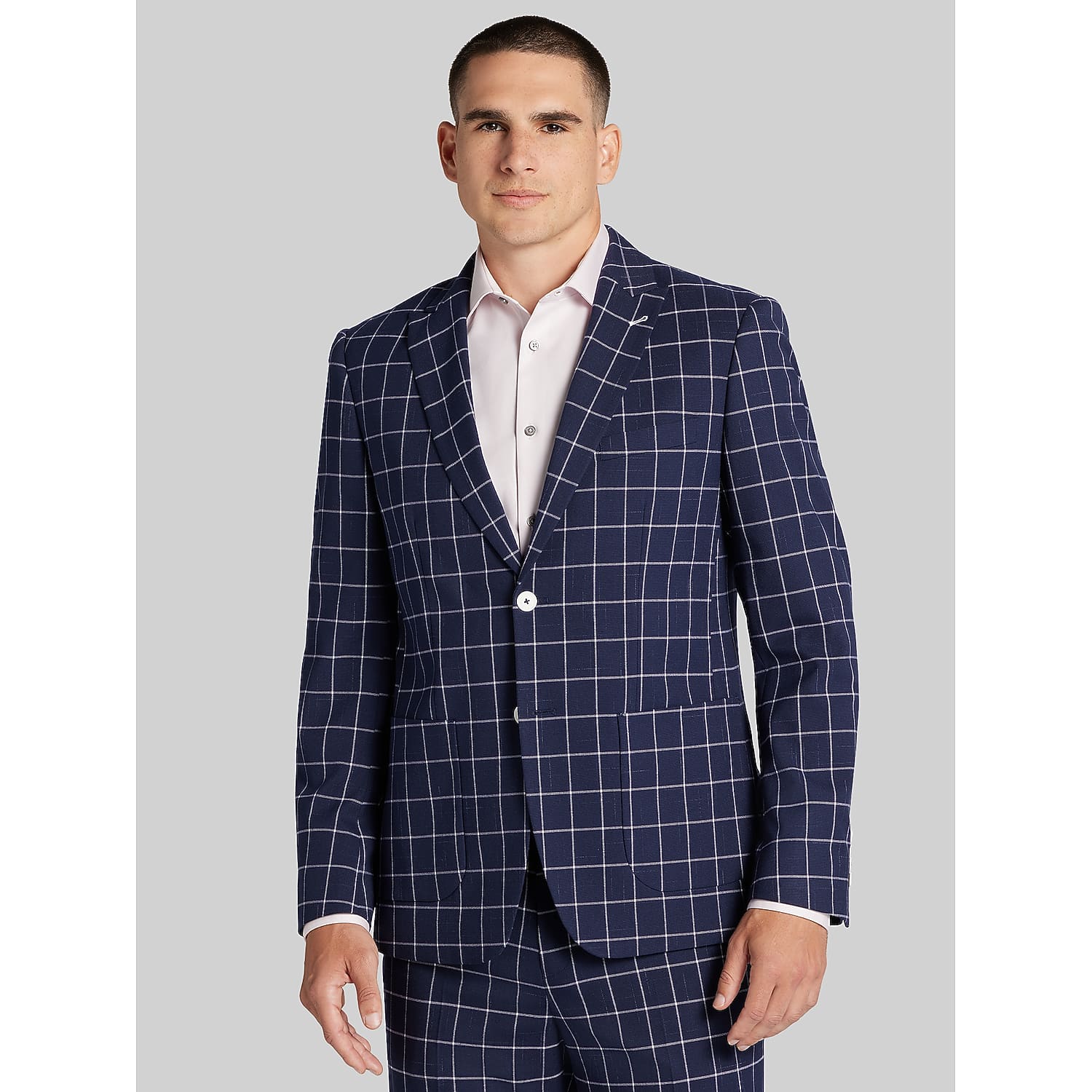
What to wear: Choose a navy or charcoal suit and a white or light blue dress shirt. You can add a burgundy or navy tie if the event’s a little more formal. If it isn’t, you can wear suit separates like a navy blazer with gray or khaki tailored trousers and complete the look with brown dress shoes or loafers.
Business Casual Attire
Business casual allows you to relax your outfit and play around with individual pieces while maintaining enough formality for meetings and networking events.
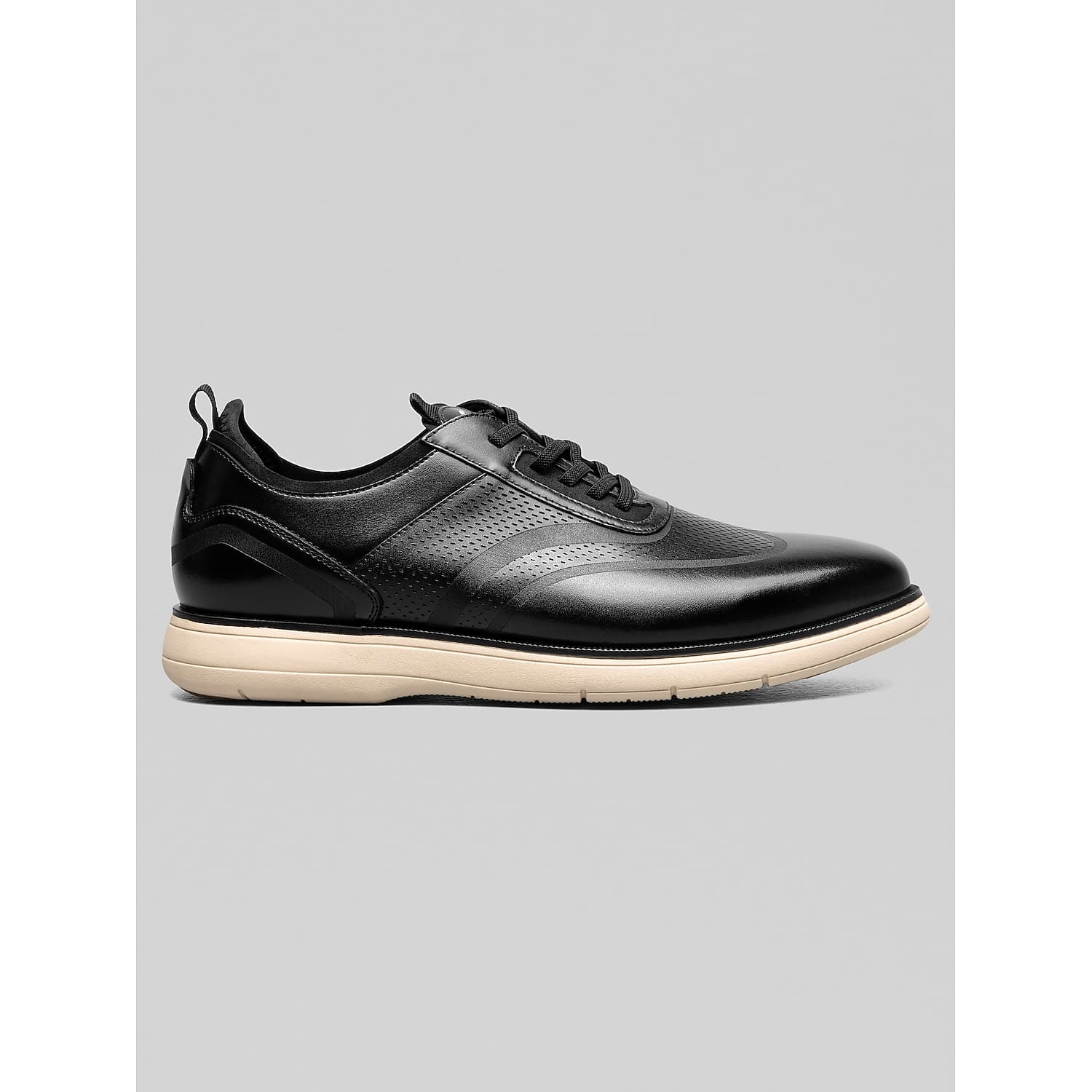
What to wear: Pair a blazer or sport coat with an Oxford shirt, dress shirt, or polo. You can wear a knit T-shirt if you want something warmer. Pair the top with chinos or tailored dress pants with loafers or derbies.
Smart Casual Attire
Smart casual offers the most freedom and is the typical dress code at creative or tech-forward events. But that doesn’t mean you can wear whatever you would off the clock.
Dark jeans and sneakers may work at some conferences, but they aren’t automatically appropriate. If you’re meeting clients, potential employers, or new professional contacts, it helps to keep some structure in the outfit through a blazer or smart jacket.
What to wear: Go for a polo or button-up shirt and chinos. Add an unstructured jacket like a cotton or knit blazer if you want another layer. Choose clean, understated footwear like leather loafers, suede derbies, or minimal leather sneakers.
What To Wear to a Business Conference
A business conference is the most traditional type of professional conference. It brings corporate leaders and clients together in a setting where conventional workplace dress codes are still important.
A navy suit is a safe starting point. It’s formal enough for a corporate setting without being as serious as black. It also coordinates well with a wide range of shirts, ties, and shoes. That versatility works for morning sessions and dinner without requiring a full change.
You might attend a more relaxed business conference and wonder whether you should wear a suit or a blazer. A suit is the better choice when:
- Senior executives are attending.
- The dress code is business professional.
- You’re presenting.
- You have important client meetings scheduled.
If you’re mainly attending sessions at a relaxed event, a blazer and tailored trousers should be enough. You don’t have to add a tie since it can look out of place in a casual setting.
What To Wear If You’re Speaking at a Conference
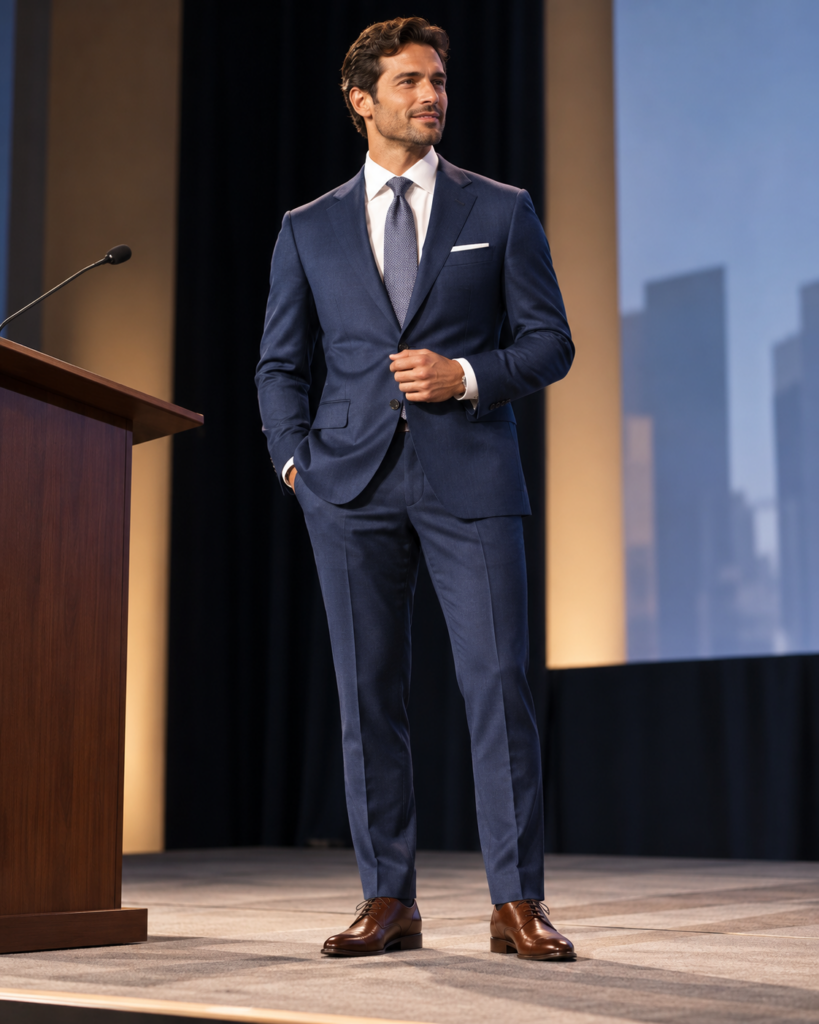
When you’re speaking at a conference, more eyes are on you. The audience is evaluating both your message and presence. Dressing slightly more formal than the average attendee can distinguish you as the person leading the room while keeping the focus on what you’re saying. It also tells people that you understand the event and respect the audience’s expectations.
Match Outfit to the Event
A suit is appropriate for a formal conference because the setting already establishes a high-standard dress code. Matching that level helps you appear prepared and credible.
A suit isn’t mandatory if you’re presenting. If it looks noticeably more formal than the rest of the event, it can create unnecessary distance between you and the audience. And dressing far above the room might make you seem less relatable or suggest that you’ve misread the setting. Ideally, you want to stand out because you’re the speaker and not because your clothes seem disconnected from everyone else’s.
Dress for the Stage
Test your outfit while standing, sitting, and walking. Speakers naturally move more than seated attendees, so clothing that feels comfortable when you’re stationary might pull or restrict movement onstage. Jackets or trousers should move comfortably without you making adjustments every minute, or they can distract both you and the audience.
Consider where the lapel microphone or transmitter will attach. For example, a jacket lapel, waistband, or pocket can make the mic easier to secure compared to loose clothing. Planning for the microphone and other equipment in advance reduces last-minute headaches and helps you stay composed.
Bright stage lights can feel warm, so choose breathable layers and avoid fabrics that trap heat or show sweat easily. Physical discomfort can affect your concentration, posture, and delivery. Lightweight jackets or removable layers give you more control if the room or temperature changes.
Conference Attire Do’s and Don’ts for Men
Once you’re clear on the formality levels, a few small details can determine how well the outfit serves you through a long conference day.
Do’s
These tips help you stay comfortable and polished throughout the conference day:
- Test your shoes beforehand: Brand new dress shoes can be uncomfortable after hours of walking and standing, so break them in before the conference.
- Check how your trousers fit while seated: You’ll probably be spending hours in panels or meetings. Sit down when trying your trousers on a few days in advance to make sure the waistband and thighs don’t pinch or pull.
- Bring a removable layer: Conference rooms can be surprisingly cold with the air conditioning on full blast. But being on stage feels temporarily warm due to bright lights. Bring a blazer, jacket, or lightweight knit sweater so you don’t have to make major outfit changes mid-conference.
- Choose socks with sitting in mind: Tailored trousers naturally rise when you sit, so socks with enough coverage will prevent a strip of bare leg from appearing between the hem and shoe.
- Prepare clothes for travel: Clothes crease in a suitcase or garment bag. Pack carefully and leave enough time to steam or press them before the event.
Don’ts
The wrong choices can undermine your conference experience. Make sure you don’t:
- Sacrifice professionalism for all-day comfort: Comfortable clothing still needs to suit the setting. Wear breathable fabrics and prioritize comfort using tailored pieces rather than dressing too casual.
- Let one piece dominate the outfit: Loud patterns, prominent branding, or heavily distressed details can distract from your interactions and pull focus away from what you’re saying.
- Check your formalwear the night before: Try all your clothing on several days before the conference. This gives you time for alterations or replacements if necessary.
- Overload your pockets: Phones, wallets, and keys can make dress pants and jackets bulge or hang unevenly. Carry only the essentials and keep larger items in your bag.
- Overdo fragrance: Conferences involve close conversations and crowded rooms. A heavy scent can become distracting for the people around you and attract unwanted attention, so keep fragrance subtle.
Get Conference-Ready With Men’s Wearhouse
A good men’s conference outfit satisfies the dress code, but it should also help you feel prepared for the conversations, introductions, and unexpected opportunities that make conferences worthwhile.
At Men’s Wearhouse, you can build a conference-ready outfit with everything from dress shirts and fitted trousers to shoes and accessories. You can buy or rent a complete suit or pick a few versatile pieces to round out your wardrobe. Visit Men’s Wearhouse before your next event to find a look that keeps you polished from your first session to your last meeting.
Shop Related Products