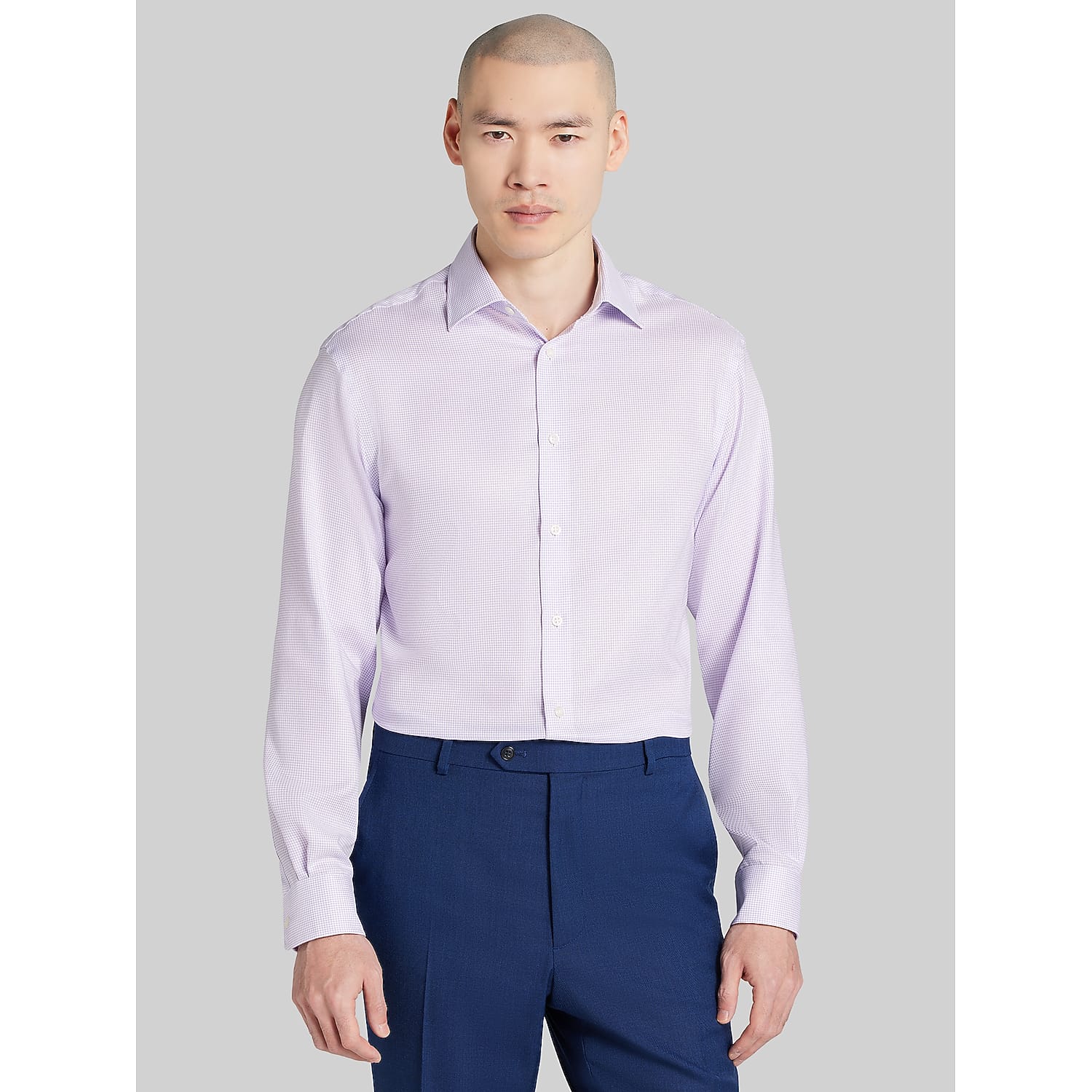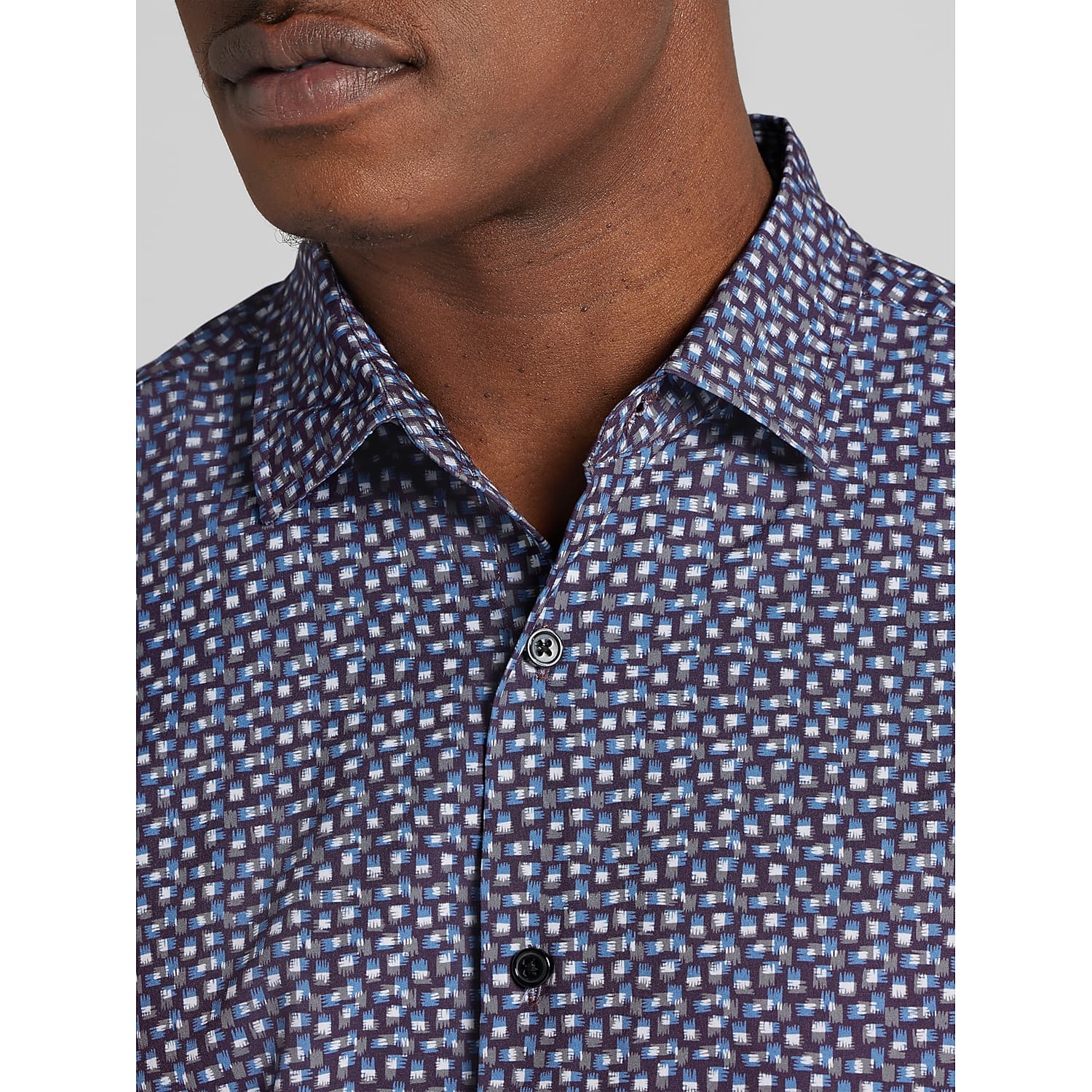

Fit matters more than most guys realize. You could own the nicest fabric in the world, but if the cut doesn’t work with your body, you’ll never feel quite right. That’s where knowing your fits comes in handy. Both tailored and slim fits have their place, and once you understand what makes each one unique, you’ll make smarter choices every time you shop.
Whether you’re building your work wardrobe or refreshing your style for the season, understanding the difference between tailored and slim fit shirts changes everything about how you look and feel. This dress shirt fit guide breaks down exactly what sets these two popular styles apart and helps you figure out which one belongs in your closet.
Dress shirts fit and style guide
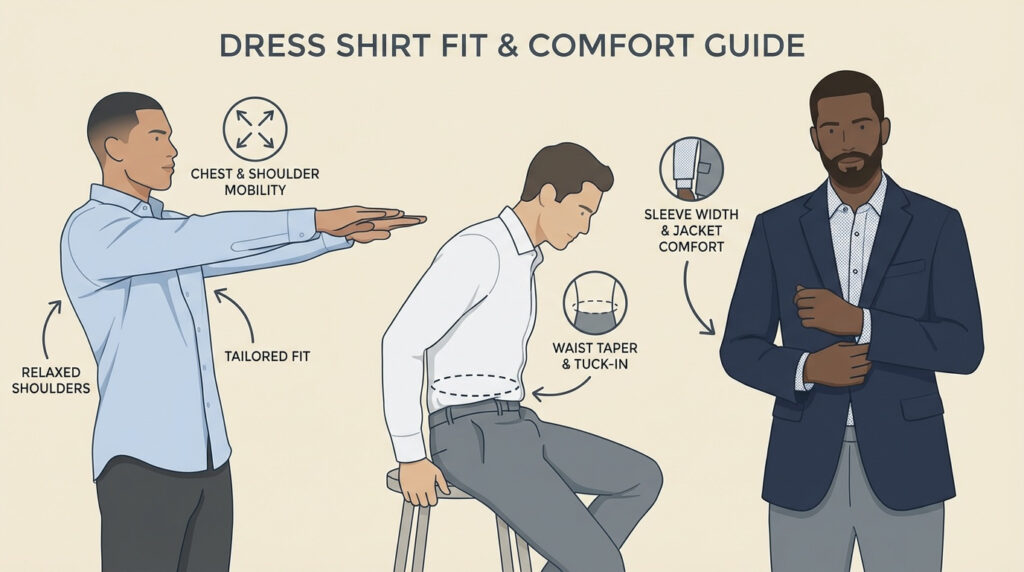
The right dress shirt fit changes how you feel all day. It’s not about squeezing into the latest style or swimming in extra fabric. It’s about finding the cut that works with your body and your routine. Choosing between tailored and slim fit shirts comes down to understanding what each one does for your comfort, your silhouette, and your ability to actually move.
Here’s what really matters: how much room you have across the chest when you reach forward, how the waist sits when you tuck the shirt in, and whether the sleeves look clean or bulky under a jacket. Tailored fit shirts and slim fit shirts approach these details differently, and that’s exactly why knowing the distinction helps you shop smarter. Get the fit right, and everything else follows naturally: polish, confidence, and ease.
This guide gives you a simple path forward. First, you’ll see what defines each fit and where they differ. Then, you’ll compare them side by side so the choice feels obvious. Finally, you’ll match your build and your occasions to the shirt that makes the most sense. Whether you’re looking for the best shirt fit for normal build, athletic builds, or tall builds, you’ll walk away knowing exactly which one belongs in your closet.
How to find shirts that fit perfectly
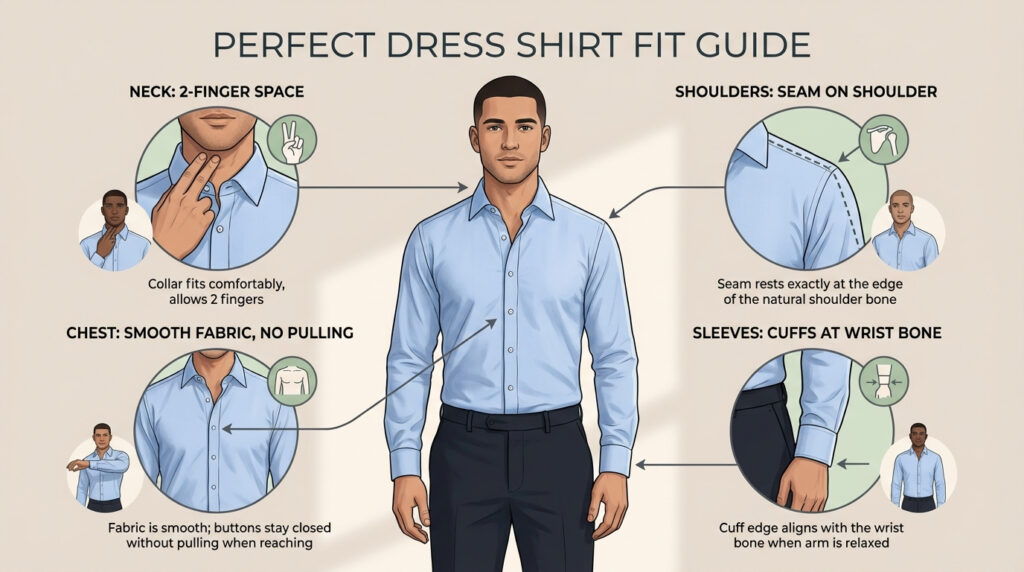
Finding the right fit is simpler than you think. Start with your neck and sleeve measurements, then check these key points: shoulder seams should sit right at your natural shoulder line, the chest needs to feel comfortable when buttoned, there’s subtle waist shaping without restriction, and the length works when tucked, no bunching at the waist or riding up when you move.
Red flags to avoid: pulling at the buttons, gaps around the collar, or sleeves that billow out. Green flags mean you’ve nailed it: clean shoulder lines, easy reach when you extend your arms, and a placket that stays smooth and flat. When it fits right, you’ll feel it – comfortable, confident, and ready for anything.
The 4 measurements to know if a shirt fits right
Four measurements tell you if a shirt actually fits. You can check these at home or in the fitting room, no special knowledge required.
- Neck: Button up and slip two fingers between your collar and neck. Can’t fit them? Too tight. Fit three or more? Too loose. Two fingers is the sweet spot.
- Shoulders: The seam should end right where your shoulder naturally slopes down. If it sits on your neck or hangs past your shoulder, the fit’s wrong.
- Chest: Button up and reach forward. Too tight pulls at the buttons; too loose billows out. You want smooth fabric that moves with you.
- Sleeves: With your arms relaxed, the cuff should hit right at your wrist bone, not covering your hand or riding up your forearm.
Dress shirts fit
Dress shirts come in several fit families, each designed to work with different builds and preferences. Classic fit offers the most room throughout, with minimal torso suppression and lower armholes. Modern fit adds moderate shaping. Tailored fit, one of the main focuses here, delivers defined waist suppression while maintaining comfortable room through the chest and shoulders. It’s the sweet spot for anyone wanting polish without feeling restricted. Slim fit takes things further with narrower sleeves, higher armholes, and a closer cut through the torso. Extra slim pushes the streamlined look even tighter for lean builds.
On this spectrum, tailored fit tends to flatter normal and tall builds looking for shape without cling, while slim fit highlights athletic and slender frames that benefit from a closer, more contemporary cut.
Dress shirt style
Style details matter just as much as fit. Collar types like spread or button-down can elongate your neckline, while French cuffs add a formal touch that pairs beautifully with tailored fits. The placket, whether standard or hidden, affects the shirt’s visual line: a hidden placket creates a smoother, more streamlined front that works especially well with slim fits.
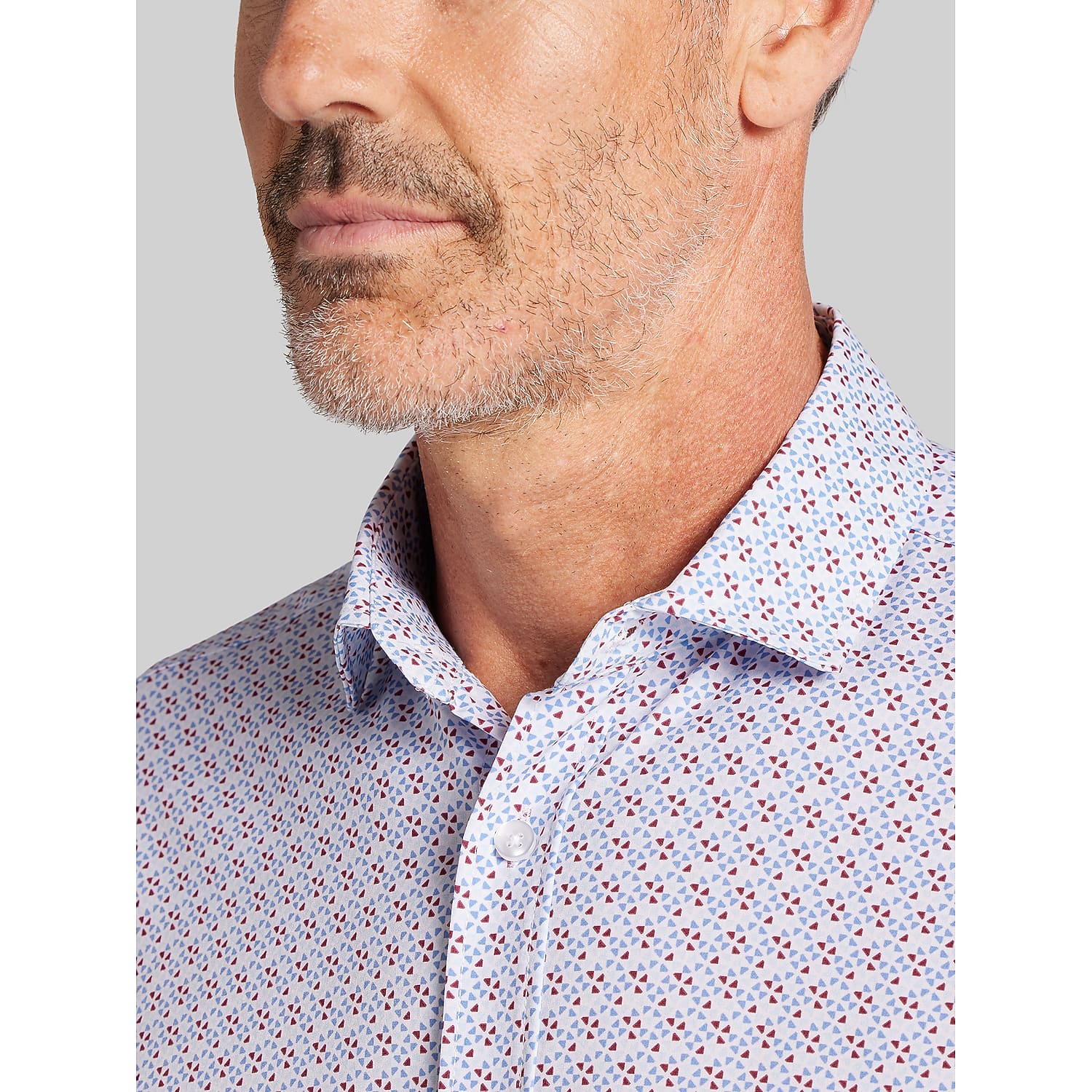
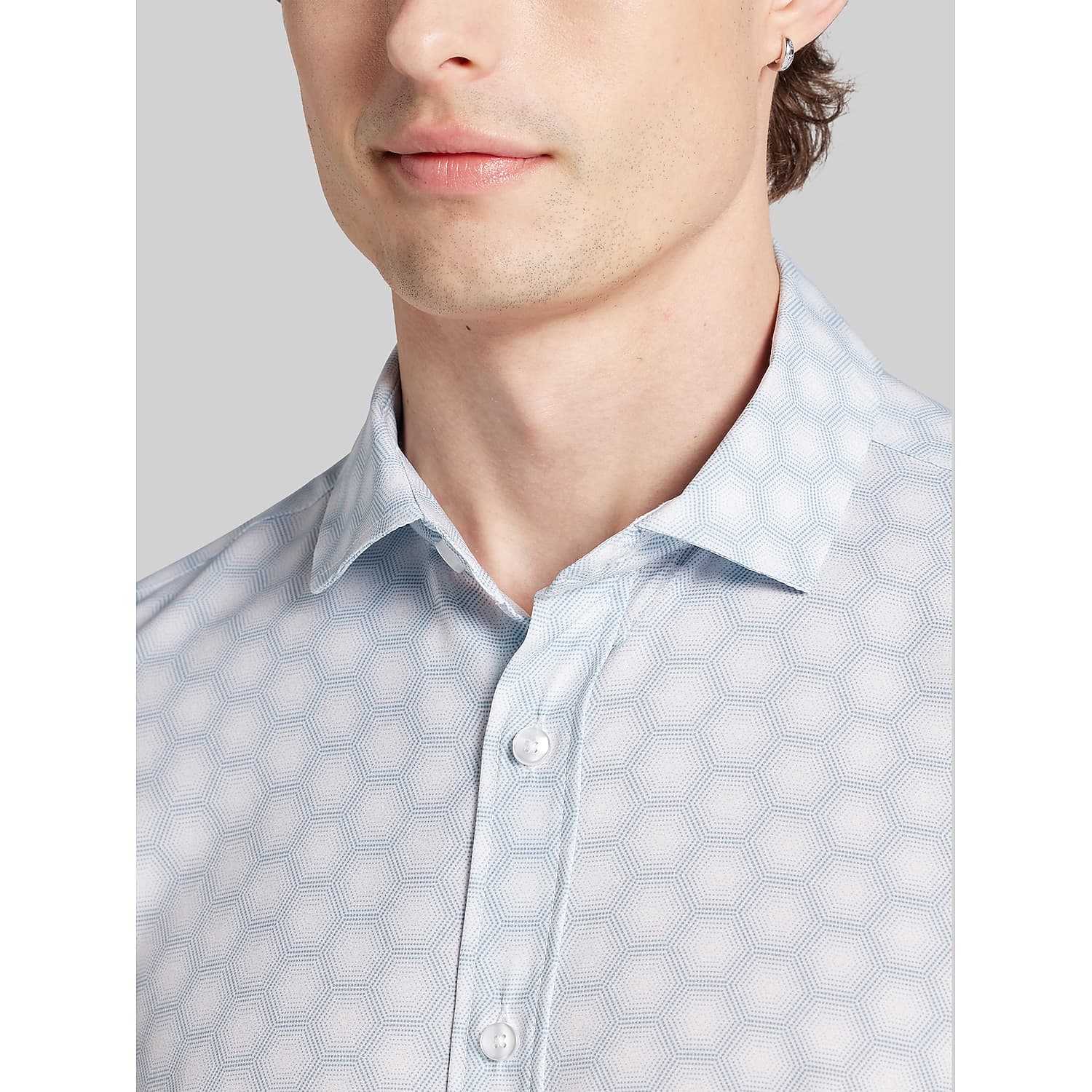
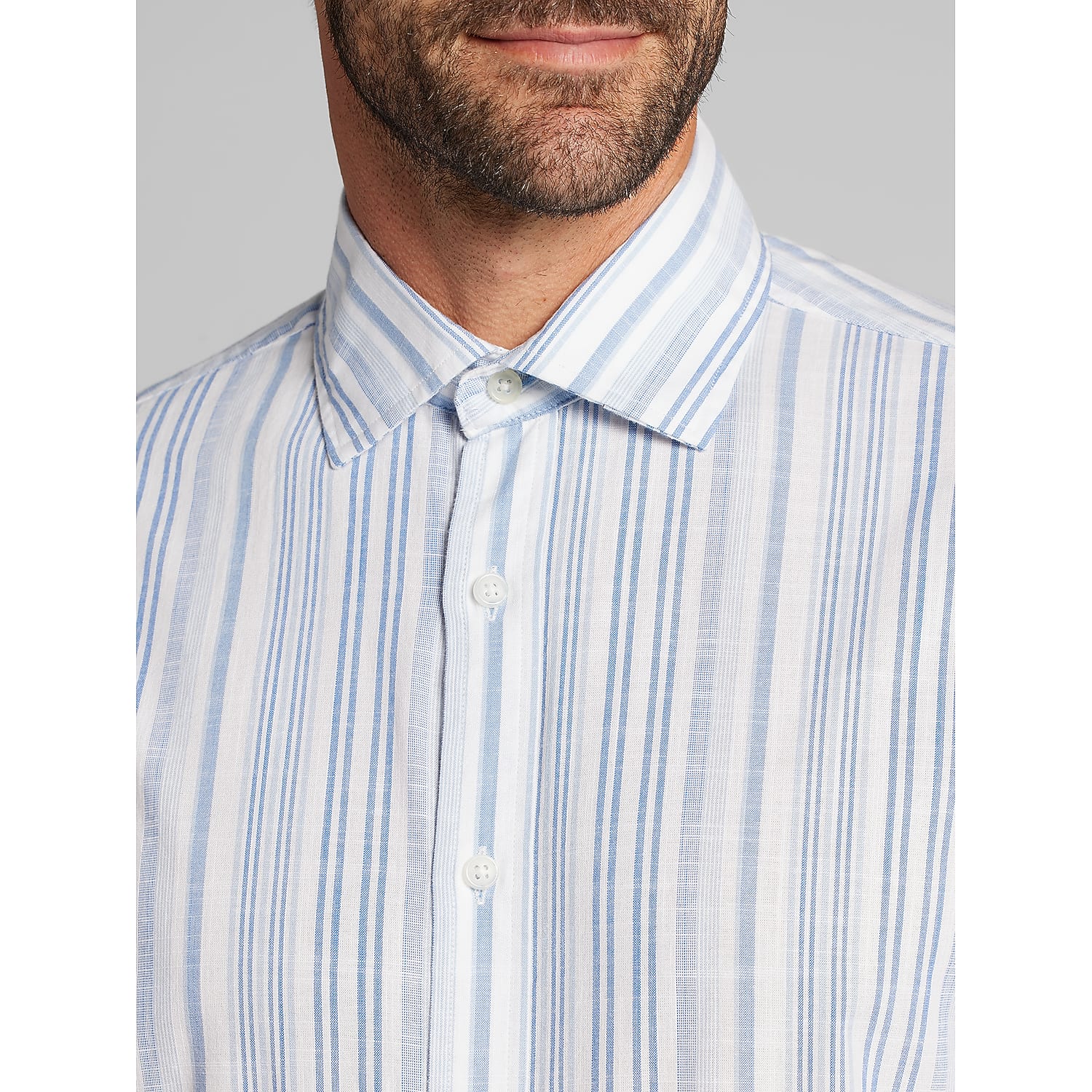
Patterns play a role too. Vertical stripes naturally lengthen your torso and emphasize a lean silhouette, making them ideal for slim fits. Solid colors and subtle textures offer versatility across both styles, while bolder patterns can add visual balance to a tailored fit without overwhelming your frame. The hem shape determines how your shirt sits when tucked, a straight hem provides clean lines for slim fits, while a curved hem offers more coverage and comfort in tailored cuts.
Custom dress shirts guide
Custom dress shirts make sense when off-the-rack options consistently fall short. If you have a long torso, broad shoulders paired with a smaller waist, or proportions that don’t match standard sizing, custom is worth the investment. The same goes for anyone who wears formal shirts frequently. When you’re wearing them that often, a perfect fit changes everything.
The decision process is simpler than it sounds. You’ll choose your collar style and cuff type based on how you typically dress, pick a fabric that balances comfort with durability, and decide how much ease you want for movement. A good custom shirt specialist will guide you through each choice without overwhelming you, so you end up with exactly what you need.
Performance fabric dress shirts guide
Performance fabrics with stretch change the fit equation in your favor. A shirt with 3-5% stretch can fit closer to your body without feeling restrictive, which means you can often size down or choose a slimmer cut that still moves with you. That’s especially helpful when you’re choosing between tailored and slim fit shirts, stretch gives you the clean lines of a fitted look with the comfort you actually need.
When you’re shopping, check product pages for stretch percentage, breathability features, and wrinkle resistance. These details matter most on travel days, long flights, or all-day events where you can’t afford to look rumpled halfway through. Performance fabrics keep you looking sharp from morning meetings through evening receptions, without the constant tugging and adjusting that comes with traditional cotton.
Tailored fit dress shirts
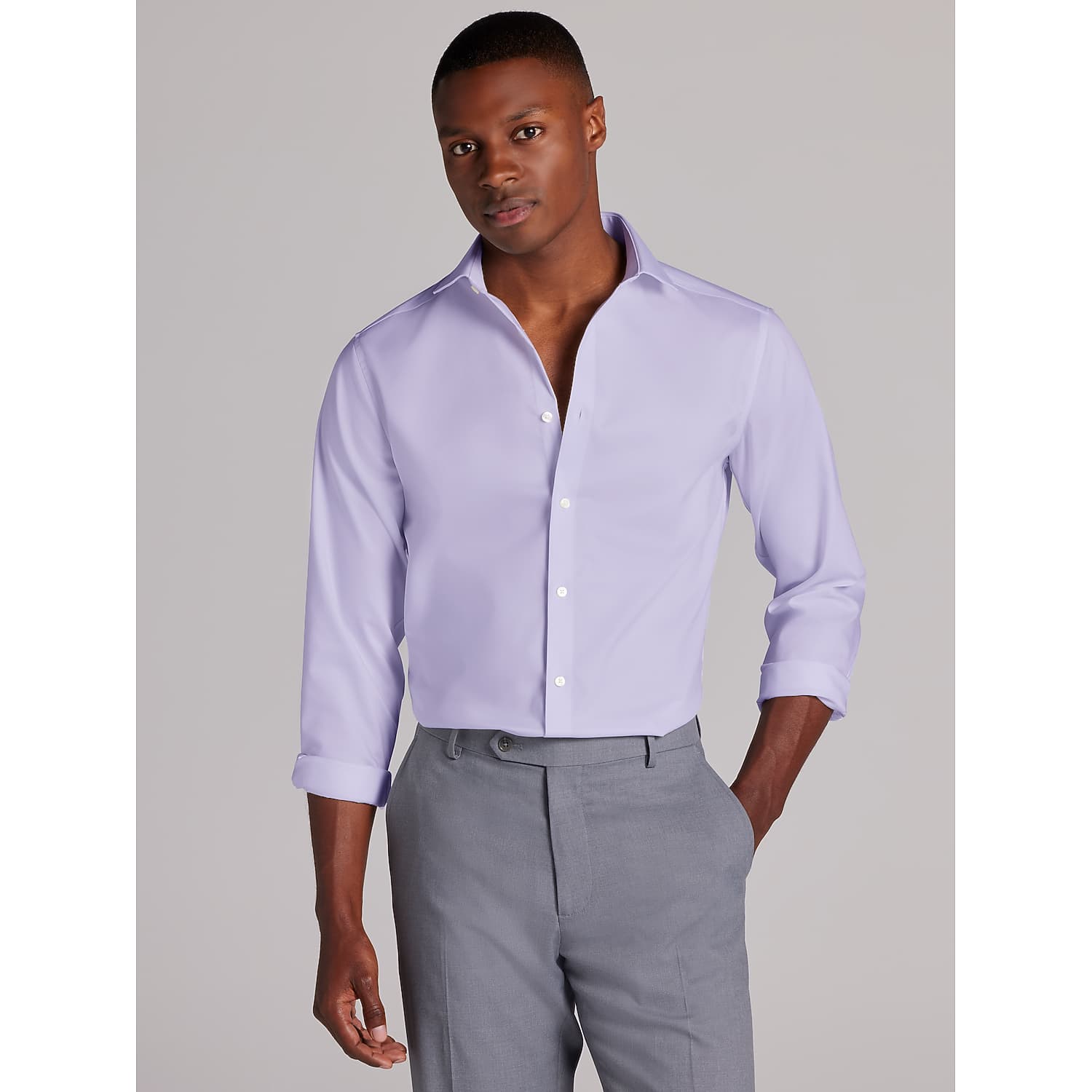
Tailored fit dress shirts deliver exactly what the name promises: a refined silhouette that follows your frame without feeling restrictive. You’ll get a comfortable chest that lets you move and breathe naturally, while the moderate taper through the waist creates a cleaner, more polished look than classic fits. It’s shape with breathing room, not cling.
This fit works especially well for normal and tall builds who want definition without the tight, constrained feel of slim options. The shoulders sit right where they should, and the waist skims close enough to look intentional without pulling at the buttons. When you layer a blazer or suit jacket over a tailored fit shirt, you get a streamlined appearance under the jacket without extra fabric bunching at the sides. It’s the smart choice when you need to look put-together all day, whether that’s for work, weddings, or anywhere sharp dressing matters.
Slim fit dress shirts
Slim fit dress shirts follow your body more closely than tailored options. The torso sits closer to your frame, the sleeves narrow through the arms, and there’s noticeably less fabric when you tuck the shirt in. This streamlined cut creates a sharp, contemporary look that works particularly well if you’ve got a lean or athletic build.
The trade-off? That closer fit means less room to move. If you’ve got broader shoulders or a bigger chest, you might notice some strain at the buttons or feel restricted when reaching forward. The key is making sure the shirt still feels comfortable when you lift your arms or sit down. If you’re pulling at seams or fighting buttons, it’s time to consider a tailored fit instead.
What Is a Tailored Fit Shirt?
Tailored fit mens dress shirts hit the sweet spot between traditional and modern. This style follows your natural shape without clinging, creating a clean silhouette that works for just about anyone. The shoulders sit right where they should, the chest is roomy enough for comfortable movement, and the waist tapers slightly without feeling restrictive.
For guys with broader builds and those who simply prefer more breathing room, a tailored fit delivers extra comfort while maintaining a polished, put-together aesthetic. You get a professional appearance without sacrificing the ability to actually do things.
How should a tailored shirt fit?
A tailored fit should feel natural, like the shirt knows where to sit. Here’s what you’re looking for:
- Shoulder seams rest right at the edge of your shoulders
- Chest gives you room to move without pulling at buttons
- Waist tapers slightly to follow your shape without clinging
- Sleeves stay close but never restrict your arms
- Hem hits just below your belt (tucked) or mid-zipper (untucked)
Try the reach test: extend your arms forward, then sit down. The fabric should move with you, and the placket should stay smooth. When tucked, you’ll see clean lines with no bunching. Left untucked, it looks intentional and sharp. The right fit means you forget about adjusting anything and just feel confident.
What Is a Slim Fit Shirt?
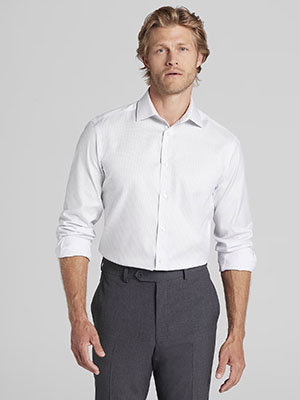
Not to be confused with skinny fit, a slim fit shirt follows your frame more closely, creating a streamlined appearance that emphasizes a leaner silhouette. The chest, waist, and sleeves all hug a bit tighter, giving you that sharp, contemporary look that makes you the best-dressed guy in the room.
Something like a slim fit performance dress shirt from Awearness Kenneth Cole works best for guys with slender or athletic builds who want their clothes to highlight their shape. The narrower cut through the torso means less excess fabric when you tuck your shirt in, and the sleeves won’t balloon out under a jacket. Everything stays close and clean, which is exactly what many modern, fashion-forward guys go for with work attire.
What body types do slim-fit shirts suit best?
Slim fit shirts work best for lean builds, athletic builds with a proportionate chest-to-waist ratio, and tall builds looking to minimize excess fabric. If you have a narrow frame or naturally tapered torso, this cut highlights your shape without adding bulk when tucked in. Tall guys especially appreciate how slim fit reduces fabric bunching at the waist and keeps sleeves from ballooning.
If you carry more weight in your chest or midsection, slim fit may feel restrictive or pull at the buttons. In that case, tailored fit shirts offer a cleaner line with more breathing room, while athletic fit dress shirts provide extra space through the shoulders and chest with a defined waist. Choosing between tailored and slim fit shirts comes down to where you need comfort and where you want shape.
List of top fitted dress shirts
- Everyday office: Look for tailored fit dress shirts with moderate taper through the waist and easy chest room. Cotton or cotton-blend fabrics keep you comfortable during long workdays, while subtle patterns like micro-checks add polish without feeling formal.
- Travel-friendly performance: Choose slim or tailored fit shirts with stretch fabric and wrinkle-resistant finishes. Performance blends with moisture-wicking properties stay fresh through flights and meetings, and narrow sleeves layer easily under jackets when you land.
- Wedding guest: Opt for slim fit styles in crisp poplin or twill fabrics. A close cut through the torso photographs well and looks sharp under suit jackets. Stick with solid colors or refined patterns that complement formal settings.
- Under a modern suit jacket: Select tailored or slim fits that eliminate bulk when tucked. Look for smooth, lighter-weight fabrics like fine cotton or cotton-stretch blends that won’t add unnecessary layers or restrict arm movement throughout the event.
Comparing Tailored Fit vs. Slim Fit
The real difference between these two styles comes down to how much room they give you and where. If you’re someone who raises your arms frequently or gestures while talking, a tailored fit probably makes more sense. The slim fit works better when you’re standing still or sitting. Think of presentations, dinners, or events where looking sharp matters more than mobility.
Each shirt silhouette tells a different story. Tailored fits create a clean, professional appearance that reads as classic and reliable, while slim fits say that you pay attention to current style.
Slim vs. tailored fit: what’s the right fit for your style?
When you’re choosing between tailored and slim fit shirts, you’re really deciding on the kind of impression you want to make. Slim fit delivers sharper, on trend lines that emphasize a modern silhouette, while tailored fit offers refined, versatile polish that works across more situations. The smartest move? Build a wardrobe that includes both. Keep tailored fit shirts for days when comfort and movement matter most, and reach for slim fit when you want that extra edge of contemporary style.
If you’re between sizes, go with tailored fit. It gives you the room to move without sacrificing shape, and you can always have the waist taken in slightly if needed. Slim fit sized up usually adds fabric where you don’t want it, losing the clean lines that make the style work in the first place.
Tailored vs. slim t-shirts
Think of your favorite T-shirts. A tailored-fit tee skims your chest and waist without clinging, it follows your shape but gives you breathing room. A slim-fit tee sits closer everywhere: tighter sleeves, a snugger torso, and less fabric overall. Same idea applies to dress shirts, just with a collar and buttons.
Understanding T-shirt fits makes choosing between tailored and slim fit shirts easier. If you size up in tees to avoid that painted-on look, tailored dress shirts will probably feel more natural. If you prefer your casual tops lean and streamlined, slim fit dress shirts deliver that same clean line when you’re dressed up.
T-shirt fit types
T-shirt fits use the same vocabulary as dress shirts, making them a helpful comparison tool when choosing between tailored and slim options.
- Classic fit: The roomiest cut with a straight, boxy silhouette that doesn’t conform to your body’s shape.
- Slim fit: Tapers closer through the chest, waist, and sleeves, creating a streamlined and contemporary appearance.
- Relaxed fit: Offers even more room than classic, designed primarily for comfort and easy, unrestricted movement.
- Athletic fit: Provides extra space through the shoulders and chest with a defined waist taper to accommodate broader, muscular builds.
These labels translate directly to dress shirt fits. If you regularly wear slim-fit tees, you’ll likely prefer slim or tailored dress shirts. If athletic-fit tees solve your fit challenges, look for athletic or tailored dress shirts with similar proportions.
When to Wear Each Fit
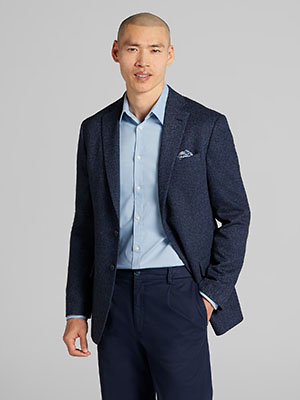
A tailored fit shirt is likely your best bet for standard office days. You’ll stay comfortable during long meetings and still look professional when you run into your boss in the hallway. These shirts work perfectly in modern business casual outfits that need to work hard without looking like they’re trying too hard.
Slim fit shirts shine during formal events, presentations, or any situation where looking exceptionally sharp is your top priority. Think weddings, client dinners, or that big quarterly review where you need to project confidence and style. The closer cut photographs well and creates a polished appearance under a suit jacket or blazer.
Smart Styling Made Simple
Pairing your dress shirt with the rest of your outfit doesn’t require a degree in fashion. Tailored fit shirts work with just about any pant style, from flat-front chinos to Calvin Klein suit pants. Add a sport coat, and you’ve got instant polish without looking overdone.
Pair slim-fit shirts with slim or straight-leg dress pants to maintain a streamlined appearance from top to bottom. When adding a suit jacket, make sure it’s cut in a modern, fitted style that complements the shirt’s silhouette.
Regardless of your shirt’s fit, the best accessories for tying your look together remain the same. A good watch, simple belt, and appropriate shoes always add the appropriate finishing touch. Focus on fit, fabric, and how everything works together, and you’ll look great every time.
Final Thoughts
Frequently asked questions
Choosing between tailored and slim fit shirts doesn’t have to feel complicated. Below, you’ll find quick, practical answers to the fit questions that come up most often, helping you identify the best shirt fit for your build and lifestyle.
Whether you’re an athletic build needing room in the chest, a normal build seeking balanced proportions, or tall and prioritizing sleeve length, these FAQs cut through the confusion. You’ll learn how tailored fit shirts and slim fit shirts should feel, when performance fabrics change the game, and what a tailor can realistically adjust. This is your quick reference for matching your body type to the right cut with confidence.
Not exactly, though the terms often overlap. Tailored fit typically describes a shirt with a moderate taper through the torso, more shaped than classic fit but with more room than slim fit. Modern fit usually sits in a similar middle ground, offering a contemporary silhouette without being overly fitted. The catch? Different brands use these names differently, so one retailer’s “modern fit” might be another’s “tailored fit.”
Here’s the smart move: don’t rely on the label alone. Check the product page for actual chest and waist measurements. Compare the difference between those two numbers to see how much taper you’re really getting. That tells you more about the fit than the name ever will.
A slim fit should feel snug without being restrictive. When you button up, the fabric should lie close to your chest and upper arms, but you shouldn’t see any pulling or puckering at the button line. Try this quick test: reach forward like you’re shaking someone’s hand. If the shirt strains across your back or the sleeves dig into your biceps, it’s too tight. You should be able to pinch about a half-inch of fabric on each sleeve, any less means you’re forcing the fit. If you’re constantly adjusting or feeling constricted when you move, a tailored fit or athletic fit will give you the clean lines you want with room to actually breathe and work comfortably.
For athletic builds with broad shoulders, a bigger chest, and a narrower waist, athletic fit is usually your best move. It gives you the room you need up top without turning your waist into a parachute. The extra space through the shoulders and chest means no pulling at the buttons or restricted movement, while the tapered waist keeps everything looking sharp and intentional.
Tailored fit works as a reliable all-around option if you find athletic fit too tapered or if you prefer a bit more breathing room. It’s the safest choice when you’re between sizes or shopping brands that don’t offer athletic cut. Slim fit can still work for leaner athletic builds, think runner or cyclist physique, as long as you can raise your arms comfortably and the chest doesn’t strain. If buttons pull or you feel restricted, size up to tailored or switch to athletic fit instead.
For tall builds, length comes first. You’ll need proper coverage in both the body and sleeves, so look for shirts labeled with tall sizing or extended lengths. The shoulder seam should hit right at the edge of your shoulder, not slide down your arm.
Tailored fit works really well for taller guys because it adds shape through the torso without feeling tight or restrictive. You’ll get a clean silhouette that still lets you move freely. Slim fit can work great too, but only if the length’s right and there’s no pulling across the chest or at the buttons when you reach forward. Start by finding shirts cut long enough where it matters, then pick the fit that best matches your proportions.
Performance fabrics with stretch give you the best of both worlds: a clean, close fit that actually moves with you. The added flexibility means a slim fit shirt won’t pull across your chest when you reach forward or feel restrictive through the shoulders. You’ll get that streamlined look without sacrificing comfort during long days.
These fabrics also resist wrinkling and bunching better than traditional cotton, keeping you looking sharp from morning through evening. Quick shopping tip: if you’re between tailored and slim fit, performance fabric can make slim more wearable by adding just enough give where you need it most.
A tailor can help refine a shirt’s fit, but there are limits to what’s possible. Taking in the waist or tapering the sleeves is straightforward and can give you a cleaner silhouette. But structural elements like shoulders and armholes are much harder to alter without compromising the shirt’s construction. Those determine the fundamental fit from the start.
If you’re hoping to turn a tailored fit into a true slim fit, you’ll likely run into those structural constraints. The smarter move is to start with the fit that’s closest to what you want, then have a tailor dial in the details. Minor tweaks work great, but a complete transformation rarely gives you the result you’re looking for.
Shop Related Products