


What Is a Non-Iron Shirt? A Guide to Wrinkle-Free Style

In this article
Few things ruin your morning like pulling a wrinkled shirt out of the closet when you’re already running late. Non-iron shirts help you look presentable with minimal effort by keeping wrinkles at bay. That convenience makes them popular for busy professionals who don’t want to wrestle with the ironing board.
This guide explains what a non-iron shirt is, what to consider before buying one, and when they might make sense for your wardrobe.
What Is a Non-Iron Shirt?
Imagine putting on a dress shirt straight from the dryer and being ready to head out the door. That’s the appeal of non-iron shirts. These garments, typically made from 100% cotton, receive a special chemical treatment that helps them dry smooth and look neat with no pressing.
The concept behind wrinkle-free shirts isn’t new — it dates back to the wash-and-wear clothing trend of the 1950s. Decades later, this technology remains a practical option for anyone who wants to look polished without spending tons of time ironing.
Non-Iron vs. Wrinkle-Resistant vs. Easy-Iron
Not every shirt that promises fewer wrinkles delivers the same results. Easy-iron shirts make pressing quicker, while wrinkle-resistant shirts can prevent creasing but may need a touch-up after washing. Non-iron dress shirts go a step further, requiring little to no ironing when you wash and dry them according to the care instructions.
How Non-Iron Shirts Work
Ever wonder why your favorite cotton shirt comes out of the dryer looking like it spent the cycle stuffed in a suitcase? Cotton naturally wrinkles because its cellulose fibers absorb water easily, making them more likely to shift out of place. Heat and moisture allow those fibers to move, and as the fabric dries, it holds onto the creases and folds formed during washing and drying.
Non-iron shirts tackle this problem with a specialized resin treatment. Manufacturers apply the resin to cotton and then use heat to cure it. This helps the fibers hold their shape and bounce back instead of settling into wrinkles. The end product is a wrinkle-free dress shirt that stays smoother after washing and needs less attention from the iron.
Not all manufacturers use the same process. Some treat the fabric at the mill before cutting and sewing it, and others apply the treatment after assembling the shirt.
Construction details and finishing touches also come into play. Taped seams can define the garment’s shape, while fabric-softening treatments make the material feel supple. These details help explain why one non-iron shirt has a structured finish and another is more flexible, even though both have built-in wrinkle control.
What You Trade Away
The treatment that helps cotton resist wrinkles changes how the fabric feels, breathes, and holds up to wear and tear. So while non-iron shirts can offer convenience, you compromise on comfort and longevity in return.
Comfort and Durability
But you don’t have to sacrifice comfort altogether. You can look for two-ply cotton and twill or pinpoint weaves, which feel softer than regular non-iron fabrics.
Formaldehyde and Sensitive Skin
To help avoid skin irritation, wash your non-iron shirt before wearing it for the first time. This simple step can remove residual chemicals and other substances left behind during manufacturing.
Shop Related Products
Non-Iron vs. Regular Cotton: Which Should You Buy?
Your everyday needs can determine whether non-iron or untreated cotton is the better option. Do you need to get dressed quickly for work, pack a few slim-fit shirts for a business trip, or look your best for a dinner or special event?
Non-iron shirts are a smart choice if you travel often, spend long days at the office, or do your own laundry but rarely reach for the iron. They make sure you look put-together with less effort and help you keep a tidy appearance from your morning commute to after-work plans.
Regular, untreated cotton may be preferable if you have sensitive skin, tend to run hot, or want a freshly pressed look for a wedding, job interview, or other dressy occasion. It’s generally more breathable. And a freshly washed shirt that you iron yourself usually looks crisper than one with a non-iron treatment.
What To Look for in a Good Non-Iron Shirt
A few details can have a big impact on comfort and wearability for the best non-iron dress shirts:
- 100% cotton: Gives you the natural feel of cotton without adding synthetic fibers.
- Two-ply fabric: Uses two yarns woven together to create a more substantial material.
- Twill, pinpoint, or Oxford weave: Offers different textures and weights, so you can choose a lightweight shirt for everyday wear or a thicker fabric for the office.
- Taped seams: Helps keep seams neat and maintains the shirt’s structure.
Whenever you want more freedom of movement, consider a non-iron stretch shirt. It combines wrinkle resistance with added flexibility, making it good for busy days when comfort matters as much as feeling confident in your clothes.
How To Care for a Non-Iron Shirt
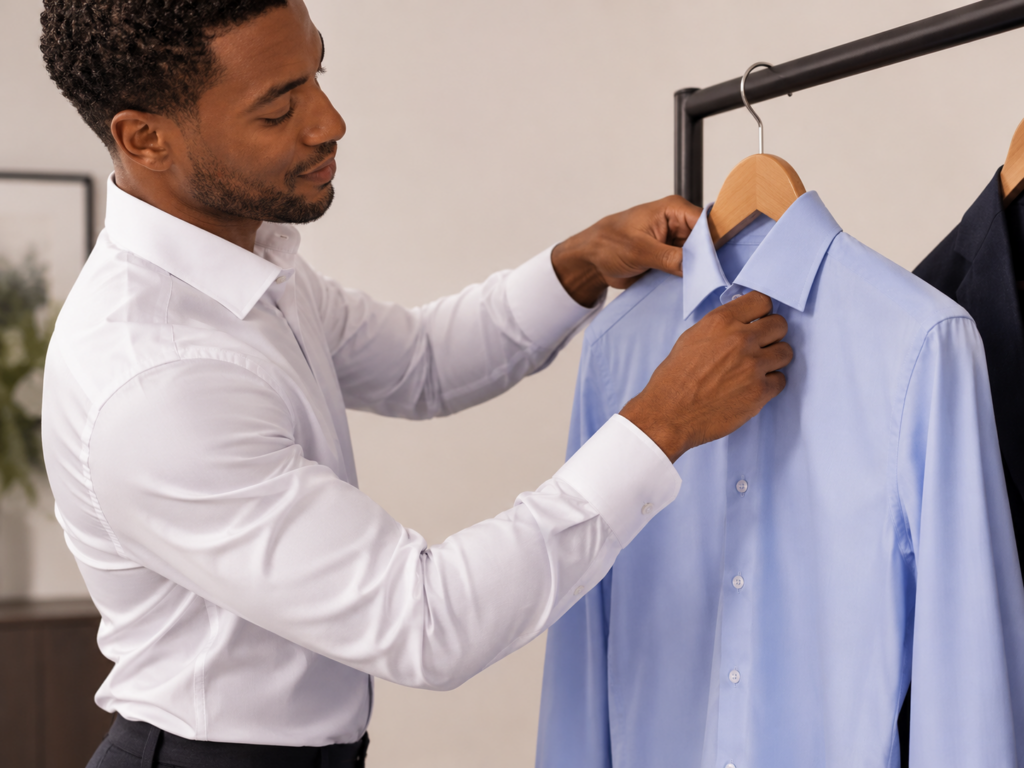
Non-iron shirts save you time at the ironing board, but a little care goes a long way toward keeping them looking fresh. With the right washing and drying routine, you can preserve the wrinkle-resistant finish and get the smoothest results straight from the laundry.
Washing and Drying
Here’s how to keep your shirt from wrinkling so much in the wash:
- Remove the collar stays. Take these out before washing to help the collar retain its shape and prevent the stays from bending or damaging the fabric itself.
- Wash on a gentle cycle. Use warm water and a slow spin to limit creasing.
- Keep drying brief. Tumble on low heat and remove the shirt before it’s fully dry.
- Hang it up right away. Gently flatten the fabric, straighten the collar and cuffs, and hang the shirt while it’s still slightly damp to air dry.
Remember to read the care label first, since washing and drying instructions can vary.
Touch-Up Ironing
Even a non-iron shirt can benefit from a quick press. If the collar or front placket looks a little rumpled, you can use a medium heat setting to smooth out those areas. A light touch-up is usually fine for non-iron cotton, but check the care label and avoid excessive heat to protect the fabric’s finish.
Less Ironing, More Options at Men’s Wearhouse
On mornings when you’re short on time, the last thing you want to do is fight with an ironing board. Non-iron shirts offer a practical alternative, keeping you looking sharp and wrinkle-free — though you’ll trade a bit of softness and breathability. With just some basic care, non-iron shirts make getting dressed the easiest part of your busy day.
Want to simplify your wardrobe? Stop by Men’s Wearhouse to check out a range of non-iron dress shirts and get professional fit advice for your style goals and everyday needs.
Shop Related Styles
Trending Content
Powered by TBI